How to Brush Teeth Correctly: Step-by-Step
Mastering the correct way to brush your teeth is the foundation of excellent daily dental habits and home care, ensuring a vibrant, healthy smile. This step-by-step guide explains why proper technique prevents plaque buildup, cavities, and gum disease while enhancing breath freshness. Learn how to choose the right tools, follow detailed brushing steps for all tooth surfaces, avoid common mistakes, and integrate this into a holistic routine with flossing and regular dental visits. Transform your oral hygiene for long-lasting wellness and confidence.
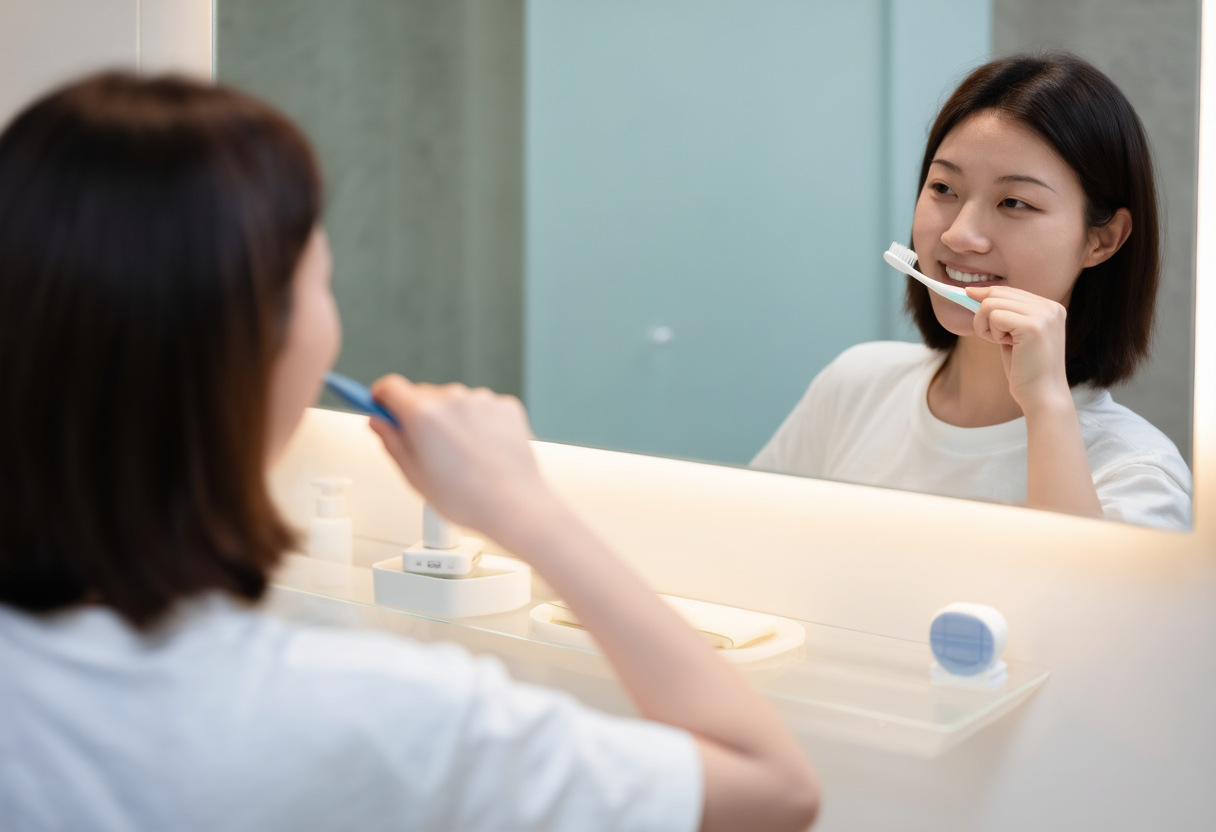
How to Brush Teeth Correctly: Step-by-Step Guide
Maintaining a healthy smile starts with perfecting your tooth-brushing technique. This comprehensive guide will elevate your daily dental habits and home care routine, ensuring long-term oral wellness by preventing common issues like plaque and gum disease. Follow these expert tips to achieve a brighter, problem-free smile that lasts.
Why Proper Tooth Brushing is Essential
Proper tooth brushing isn't just about fresh breath—it's the cornerstone of your daily dental habits & home care. Correct technique removes plaque before it hardens into tartar, which can lead to painful cavities and gum inflammation. By eliminating bacteria buildup, it significantly reduces bad breath risks. Gentle, effective motions protect enamel from erosion and gums from irritation, supporting overall health between dental visits. This proactive approach ensures your at-home care keeps your smile vibrant and free from common oral problems.
Choosing the Right Brushing Tools
To boost your results in daily dental habits & home care, selecting optimal tools is crucial for effective and comfortable brushing. Here’s what you need:
- Toothbrush: Choose a soft-bristled manual or electric model based on your comfort and control; this prevents damage while ensuring thorough cleaning.
- Toothpaste: Always use fluoride toothpaste to strengthen enamel and provide cavity prevention.
- Timer: Incorporate a two-minute or quadrant timer to maintain consistency and ensure adequate brushing duration.
- Floss: Keep floss or interdental cleaners handy for a complete clean between teeth, where brushes can't reach.
These simple choices enhance effectiveness and make your routine more enjoyable, turning brushing into a key part of your daily wellness.
The Step-by-Step Brushing Process
Follow this structured approach to clean your teeth thoroughly and efficiently. Each step focuses on specific areas to maximize plaque removal and support your daily dental habits & home care.
Step 1: Prepare to Brush
Before starting, wash your hands thoroughly to remove germs, then rinse your toothbrush under water to clear debris. Apply a pea-sized amount of fluoride toothpaste—sufficient for full coverage without waste. Hold the brush at a 45-degree angle to your gumline; this position allows for optimal plaque removal. Divide your mouth into four sections: upper left, upper right, lower left, and lower right, to ensure even attention across all areas. This preparation sets the stage for a methodical and efficient session, enhancing your home care routine.
Step 2: Brush Outer Surfaces
Focus on outer surfaces where plaque often accumulates first. Begin with the upper teeth, using small, gentle circular motions instead of aggressive back-and-forth scrubbing to avoid enamel wear. Then, shift to the lower teeth, spending equal time on each side for comprehensive coverage. Pay special attention to the gumline, a hotspot for buildup, by maintaining light pressure and consistent movements. This technique cleans visible areas effectively, promoting your daily dental habits & home care without causing harm.
Step 3: Clean Inner Surfaces and Front Teeth
These commonly overlooked areas require targeted care. Brush the inner surfaces of your molars with gentle circular motions to dislodge hidden debris. For the front teeth, tilt the brush vertically behind them and use short up-and-down strokes on the inside of the incisors. Keep pressure light throughout to prevent gum irritation and potential recession. This approach ensures no spot is missed, reinforcing the foundation of your daily dental habits for a truly comprehensive clean.
Step 4: Finish with Chewing Surfaces, Tongue, and Final Zones
Complete the process by addressing chewing surfaces, tongue, and high-buildup areas. Clean chewing surfaces with short, firm but gentle strokes, paying extra attention to back molars where food debris often traps. Brush your tongue to reduce bacteria and improve breath freshness—a simple yet vital step for overall oral health. Finally, spit out excess toothpaste and avoid rinsing immediately; this allows fluoride to stay on your teeth longer for added protection. This final phase leaves your mouth refreshed and safeguarded, wrapping up your brushing session perfectly.
Common Brushing Mistakes to Avoid
Many people undermine their daily dental habits & home care with avoidable errors. Steer clear of these pitfalls to maintain optimal oral health:
- Brushing too hard: Can erode enamel and cause gum recession; always use gentle pressure.
- Using hard-bristled toothbrushes: Increases damage risk; opt for soft bristles instead.
- Brushing for less than two minutes: Shortchanges the process; use a timer to ensure full duration.
- Skipping nighttime brushing: Leaves teeth vulnerable to overnight bacteria growth.
- Missing back teeth or gumline: Common oversights that lead to buildup; cover all areas evenly.
- Using an old toothbrush: Replace every three months for peak effectiveness, as worn bristles reduce cleaning power.
By avoiding these mistakes, you protect your smile and enhance your routine's longevity.
Building a Complete Daily Dental Routine
Integrate correct brushing into a holistic daily dental habits & home care plan for sustained oral wellness. Brush twice daily—especially before bed—to prevent bacteria accumulation overnight. Floss once daily to clean between teeth where brushing can't reach, removing plaque and food particles. Replace your toothbrush or brush head every three months to maintain hygiene standards. Additionally, visit your dentist regularly for professional exams, cleanings, and personalized advice. This comprehensive approach ensures your smile stays healthy, bright, and problem-free for years to come.