Is Charcoal Toothpaste Safe for Teeth?
Curious if charcoal toothpaste is safe for your teeth? This in-depth guide explores its whitening effects, benefits for surface stains, risks like enamel wear, common myths debunked, and safer alternatives. Learn who should avoid it, how to use it safely, and why professional dental advice is key for a healthy, bright smile. Make informed choices with expert insights.
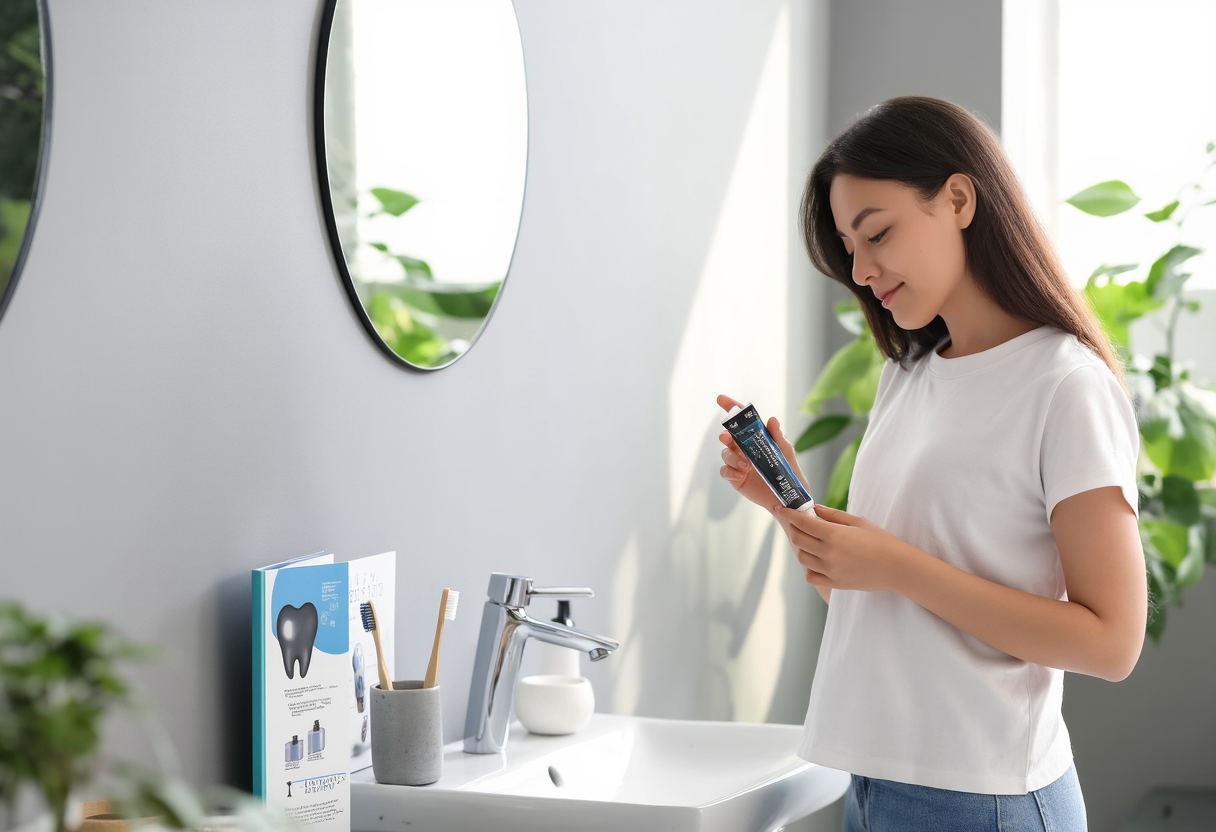
Is Charcoal Toothpaste Safe for Teeth?
Introduction: The Popularity and Concerns of Charcoal Toothpaste
The surge in demand for natural whitening solutions has made charcoal toothpaste a household name, as consumers increasingly seek brighter smiles without harsh chemicals. However, social media hype and aggressive marketing often amplify dental myths, creating confusion about whether this trendy product is a miracle or a hidden danger. Many users jump on the bandwagon, eager for quick results but overlooking potential risks to enamel health. This article cuts through the noise, separating facts from fiction to provide clear, evidence-based insights into safety concerns and practical advice for making smart oral care decisions. By addressing common questions upfront, we empower you to choose wisely for your dental wellness.
What Is Charcoal Toothpaste and How Does It Work?
Activated charcoal toothpaste harnesses tiny, porous particles to remove surface stains from sources like coffee, tea, wine, or tobacco through a dual process of abrasion and adsorption—essentially scrubbing away debris and trapping it on the surface. Unlike peroxide-based formulas that achieve true chemical bleaching by penetrating deep into teeth, charcoal toothpaste primarily targets external discoloration without altering internal tooth color. Key ingredients play a crucial role: fluoride strengthens enamel and protects against cavities, silica provides a smooth texture, and natural flavoring agents enhance user experience. For instance, while it can polish teeth for a cleaner feel, it falls short of professional whitening treatments, which use controlled agents to deliver more substantial, long-lasting results from within the tooth structure.
Is Charcoal Toothpaste Safe for Teeth? The Short Answer
For many adults, charcoal toothpaste may be safe for occasional use, but it's rarely the best option for daily, long-term application. Safety largely depends on individual factors such as the condition of your enamel, the product's abrasiveness level, and whether it includes fluoride for added protection. Those with sensitivity issues, existing dental work like fillings or crowns, or gum recession face higher risks, as the gritty texture can exacerbate wear and tear. In essence, while not inherently harmful in moderation, charcoal toothpaste demands caution—think of it as a temporary cosmetic fix rather than a reliable, permanent whitening solution. Always consult your dentist if you have concerns about your specific dental health.
Potential Benefits of Charcoal Toothpaste for Surface Stains
On the positive side, charcoal toothpaste can effectively reduce superficial stains from common culprits like coffee or smoking, giving teeth a polished, brighter appearance that many users find appealing. It also aligns with eco-friendly and minimalist trends, attracting those who prefer natural oral care alternatives over synthetic products. For example, regular use might offer a quick cosmetic boost, making teeth look cleaner after just a few applications. However, these benefits are limited to external surfaces; charcoal toothpaste won't achieve deep whitening or address intrinsic discoloration caused by factors like aging or medication. Ultimately, it serves as a surface-level enhancer, not a comprehensive whitening strategy, and should be paired with other dental hygiene practices for optimal results.
Risks and Side Effects Dentists Commonly Mention
Dentists frequently highlight significant downsides to charcoal toothpaste, as its abrasive nature can gradually erode enamel over time, leading to increased sensitivity and a dull yellow appearance as the underlying dentin becomes exposed. Equally concerning is that fluoride-free versions may elevate cavity risk by failing to provide essential decay protection, while charcoal particles can accumulate around gums, restorations, or orthodontic appliances, causing irritation or unsightly staining. These side effects, such as heightened tooth sensitivity after prolonged use, underscore why many dental professionals view charcoal toothpaste as controversial—especially for regular routines. To mitigate risks, opt for formulas with proven ingredients and avoid overuse to protect your long-term oral health.
Dental Myths and FAQs About Charcoal Toothpaste
- Myth: Charcoal toothpaste detoxes the mouth better than regular options. Fact: There's no scientific evidence supporting this claim; it only removes surface stains and doesn't eliminate toxins.
- Myth: It whitens teeth more effectively than professional treatments. Fact: It can't match the controlled, deep results of dentist-supervised procedures, which use advanced agents for internal whitening.
- FAQ: Can daily use damage enamel? Answer: Yes, especially with high-abrasive formulas, as frequent scrubbing wears down protective layers over time.
- FAQ: Is it safe for children, braces, crowns, or implants? Answer: Generally not; it poses risks of uneven whitening, damage to sensitive areas, and potential harm to dental work.
- FAQ: How long does it take to see results? Answer: Surface improvements may appear quickly, but they're temporary and superficial, unlike lasting professional outcomes.
Who Should Avoid Charcoal Toothpaste?
Certain groups are more vulnerable and should steer clear of charcoal toothpaste entirely. Individuals with sensitive teeth or thinning enamel face heightened risks, as abrasive particles can accelerate wear and cause discomfort. Similarly, those experiencing gum recession may suffer root surface damage, while patients with veneers, crowns, fillings, or braces might encounter uneven whitening or structural harm to their dental work. Children and teenagers, whose developing teeth require gentler care, should stick to dentist-recommended toothpaste instead of trendy, unproven products. If you fall into any of these categories, prioritize alternatives that safeguard your oral health without compromising safety.
How to Use Charcoal Toothpaste More Safely If You Still Want to Try It
For enthusiasts determined to minimize risks while experimenting with charcoal toothpaste, practical tips can make a significant difference. First, choose a fluoride-containing formula from a reputable brand to bolster enamel protection against decay. Limit use to once a day or just two to three times a week to avoid cumulative abrasion, and always employ a soft-bristled toothbrush with gentle pressure to reduce scrubbing intensity. Additionally, monitor for warning signs like sensitivity, gum irritation, or rough tooth surfaces—if these occur, stop use immediately and consult a dentist. By following these precautions, you can enjoy a safer trial while keeping your oral health a top priority.
Better Alternatives and Final Verdict
When it comes to safer, more effective whitening options, ADA-accepted whitening toothpastes offer reliable daily choices with proven ingredients like hydrogen peroxide for gradual brightening. Professional dental cleanings effectively remove surface stains without the abrasion risks, while dentist-supervised whitening procedures deliver predictable, long-lasting results through customized treatments. In conclusion, charcoal toothpaste isn't always harmful for occasional users seeking a quick fix, but it's rarely the safest or most efficient choice for whitening—prioritize professional guidance and evidence-based alternatives to achieve a brighter, healthier smile that lasts.