Mouthwash Benefits and Which Type to Use
Unlock the full potential of your daily dental habits with mouthwash! This guide reveals how it combats bacteria in hard-to-reach spots, freshens breath, and boosts gum health—without replacing brushing or flossing. Learn about key types like fluoride for cavity prevention and antibacterial for plaque control, plus expert tips on choosing and using the right rinse for your needs. Perfect your home care routine and achieve a healthier smile today. (Character count: 248)
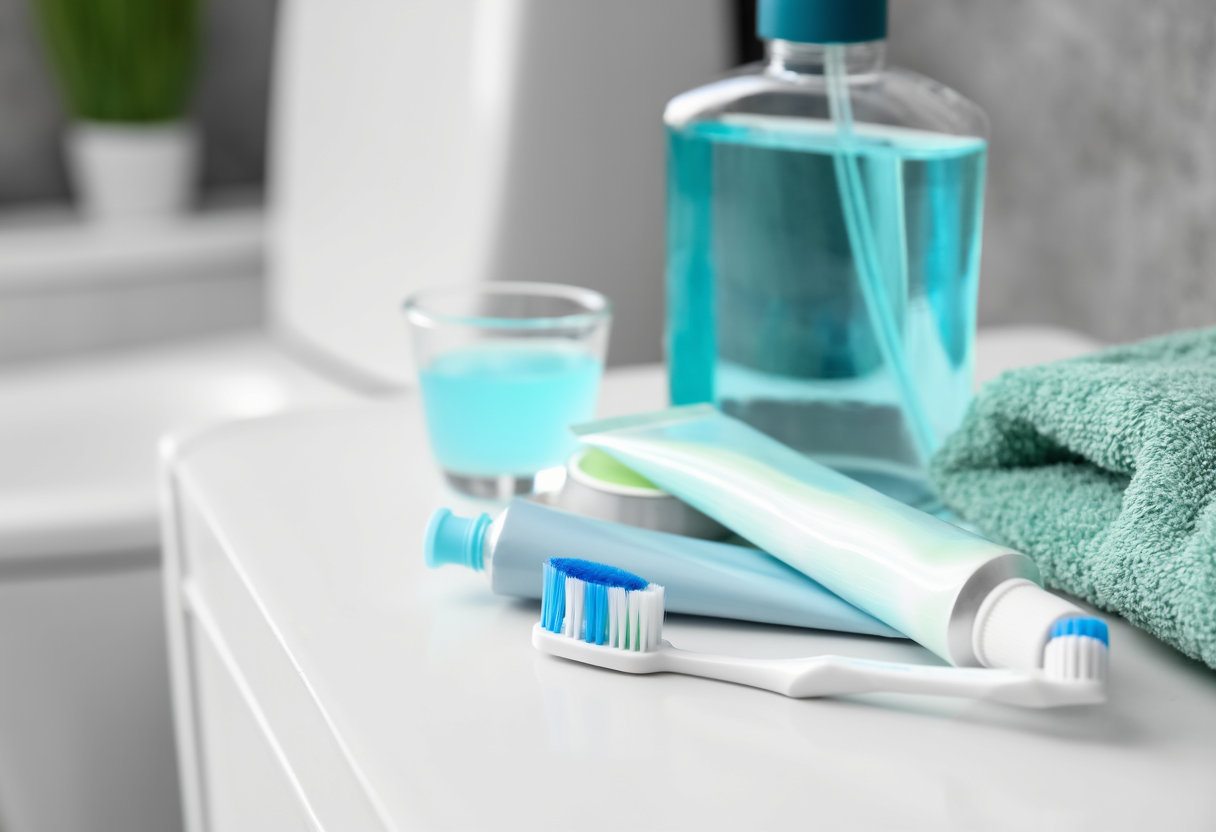
Mouthwash Benefits and Which Type to Use
Maintaining excellent oral health goes beyond just brushing and flossing; incorporating mouthwash into your Daily Dental Habits & Home Care Routine can be a game-changer for overall hygiene. This simple step helps combat bacteria in hard-to-reach spots, such as between teeth and along the gumline, but it's crucial to understand its role as a supportive measure rather than a standalone solution. In this comprehensive guide, we'll explore the benefits of mouthwash, the different types available, and practical advice on how to choose and use the right one for your specific needs, ensuring you maximize your daily routine for fresher breath and stronger teeth.
Why Mouthwash Matters in a Daily Dental Habits & Home Care Routine
Mouthwash plays a vital role in enhancing your daily oral care by reaching areas that a toothbrush often misses, such as tight crevices between teeth and along the sensitive gumline. This liquid flow allows it to penetrate hidden spots where plaque and bacteria accumulate, providing a thorough clean that brushing alone might not achieve, thus reducing the risk of gum disease and decay. However, it's essential to clarify that mouthwash is not a replacement for brushing and flossing—while it freshens breath and reduces bacteria, it doesn't physically remove plaque buildup like brushing or dislodge food particles like flossing, so relying solely on it can lead to incomplete cleaning and potential dental issues over time.
In a practical morning and nighttime routine, mouthwash fits best as a final step after brushing and flossing. For example, swishing with it in the morning helps kickstart your day with fresh, long-lasting breath, while using it at night can significantly reduce overnight bacteria growth, promoting a cleaner mouth by morning. This timing ensures it complements other habits without disrupting them, making your Daily Dental Habits & Home Care Routine more effective. Notably, certain individuals benefit most from incorporating mouthwash, such as those prone to gum disease, people with braces that trap debris, or anyone dealing with persistent bad breath; if you fall into these categories, adding mouthwash provides extra support for a healthier, more confident smile.
Key Mouthwash Benefits for Bad Breath, Plaque, Cavities, and Gum Health
The benefits of mouthwash vary significantly based on its ingredients and your specific oral health goals, making it a versatile tool in your Daily Dental Habits & Home Care Routine. For instance, it helps control bad breath by targeting odor-producing bacteria on the tongue or in the throat, offering quick relief that lasts longer than brushing alone. Moreover, mouthwash aids in plaque reduction and supports gingivitis prevention through antiseptic agents that kill germs before they harden into tartar, reducing inflammation and bleeding gums with consistent use. Fluoride-based options enhance cavity protection by strengthening enamel through remineralization, repairing minor damage and preventing decay, which is ideal for high-risk groups like teens or those with braces.
- Bad Breath Control: Targets bacteria in hard-to-reach areas for fresher breath.
- Plaque Reduction: Uses antiseptics to prevent plaque buildup and tartar formation.
- Cavity Prevention: Fluoride formulas strengthen enamel and repair early decay.
- Gum Health Support: Reduces inflammation and bleeding for healthier gums.
- Comfort Relief: Soothes dry mouth or irritation with hydrating ingredients.
Additionally, relief-focused formulas address issues like dry mouth or mild irritation by including soothing components such as xylitol, which moisturizes tissues and reduces discomfort, making them a valuable addition for daily comfort in your home care. By understanding these benefits, you can tailor your routine to achieve optimal oral wellness.
Cosmetic vs Therapeutic Mouthwash: Understanding the Main Types
To choose effectively for your Daily Dental Habits & Home Care Routine, it's important to distinguish between cosmetic and therapeutic mouthwash, ensuring you pick a product that aligns with your needs. Cosmetic mouthwash primarily provides short-term breath freshening with pleasant flavors and scents but offers no lasting health benefits, making it ideal for quick touch-ups between meals. On the other hand, therapeutic mouthwash delivers real oral health advantages, such as reducing plaque or fighting cavities, thanks to active ingredients like fluoride, cetylpyridinium chloride (CPC), chlorhexidine, or xylitol, which work to kill bacteria and support long-term wellness.
When selecting a product, always check labels for these key ingredients and look for the ADA Seal of Acceptance, which indicates it has been rigorously tested for safety and effectiveness. This step helps avoid ineffective options and ensures you're investing in a rinse that truly benefits your routine, such as one tailored to gum disease or cavity prevention.
Fluoride Mouthwash: Best Type for Cavity Prevention and Enamel Strength
Fluoride mouthwash stands out as one of the best choices for extra cavity protection in your home care, especially for those focused on strengthening enamel and preventing decay. It works by promoting remineralization, where fluoride bonds with tooth surfaces to repair early damage and fortify against acids from foods and drinks, creating a resilient barrier. Individuals who benefit most include cavity-prone adults, teenagers with developing teeth, and people with braces, as these groups often face higher exposure to decay-causing factors; using fluoride mouthwash can add a crucial layer of defense that brushing alone might not provide.
For safe and effective use in your Daily Dental Habits & Home Care Routine, swish fluoride mouthwash once or twice daily, ideally after brushing and flossing, and avoid rinsing with water immediately afterward to allow the fluoride to work effectively. Overuse can lead to fluorosis, so stick to recommended amounts—typically a capful per use. If you have a history of frequent cavities, your dentist may suggest a stronger prescription fluoride rinse for enhanced, personalized protection.
Antibacterial Mouthwash: Best Type for Plaque, Gingivitis, and Breath Control
Antibacterial mouthwash excels at reducing harmful bacteria linked to plaque buildup, gum inflammation, and persistent bad breath, making it a key ally in maintaining oral health. Antiseptic ingredients like CPC or essential oils disrupt bacterial growth, helping manage plaque before it hardens and causes issues like gingivitis, which can lead to more serious conditions if untreated. This type is particularly useful for addressing bleeding gums or as a post-cleaning care step after dental visits, as it maintains a cleaner environment and reduces inflammation, complementing brushing for better overall gum health.
When comparing formulas, alcohol-based versions offer strong germ-killing power but may cause dryness or irritation in sensitive individuals, while alcohol-free alternatives are gentler and suitable for everyday use without discomfort. Both have pros, so choose based on your tolerance and specific needs. For severe cases, such as advanced gum disease, a prescription antibacterial mouthwash with chlorhexidine may be more effective than over-the-counter products, providing targeted relief under professional guidance to enhance your Daily Dental Habits & Home Care Routine.
Alcohol-Free, Whitening, Dry Mouth, and Sensitivity Mouthwash Options
Specialty mouthwashes cater to specific problems, but each has its strengths and limitations in your Daily Dental Habits & Home Care Routine. Alcohol-free options are ideal for sensitive mouths, offering everyday comfort without the burning sensation; they're excellent for those with conditions like canker sores or general irritation. Dry mouth rinses help with moisture retention by including hydrating agents like xylitol or electrolytes that stimulate saliva production and alleviate discomfort from medications or health issues, ensuring long-lasting relief.
Sensitivity mouthwash supports nerve and enamel protection by using ingredients like potassium nitrate to block pain signals and strengthen teeth, providing quick relief for those with temperature-sensitive teeth during daily activities. Whitening mouthwash aids in gradual stain removal from coffee or wine but has limitations; it works slowly and may not replace professional treatments for deep discoloration, so use it as part of a broader whitening strategy for best results in your home care.
How to Choose the Right Mouthwash for Your Needs and Household
Selecting the best mouthwash depends on factors like age, symptoms, dental history, and daily habits—not just branding or flavor—ensuring it fits seamlessly into your Daily Dental Habits & Home Care Routine. Match types to specific needs: for bad breath, opt for antibacterial formulas; for cavities, choose fluoride; for gum disease, go with therapeutic options; for braces, select alcohol-free to avoid irritation; and for dry mouth, pick hydrating rinses. This targeted approach maximizes benefits while minimizing risks.
When choosing for kids, look for alcohol-free, fluoride-containing mouthwashes designed specifically for children, and avoid products with high alcohol content or harsh chemicals that could cause swallowing issues; always supervise young children to prevent accidental ingestion. Be mindful of ingredients like alcohol or strong antiseptics that may irritate individuals with canker sores or alcohol sensitivity; reading labels carefully can help avoid discomfort. If you're unsure, consult your dentist for personalized recommendations based on your health profile to optimize your routine.
How to Use Mouthwash Correctly and Mistakes to Avoid at Home
Proper technique is essential to reap real oral health benefits rather than just temporary freshness in your Daily Dental Habits & Home Care Routine. Start by swishing for 30-60 seconds, ensuring the liquid reaches all areas of your mouth; then spit it out without rinsing with water immediately—this allows active ingredients like fluoride or antiseptics to work longer and more effectively. Timing matters; use mouthwash after brushing and flossing to maximize its impact, as rinsing too soon can wash away protective agents, reducing overall effectiveness.
Avoid common mistakes like overusing mouthwash multiple times a day, which can lead to irritation or imbalance in oral flora, and never rely on it instead of flossing—it doesn't physically remove plaque, and skipping flossing can worsen gum problems. Watch for signs of irritation such as burning or redness; discontinue use if they persist and switch to a gentler formula. By following these steps, you'll enhance your daily routine for better results.
In conclusion, integrating the right mouthwash into your Daily Dental Habits & Home Care Routine can significantly boost oral health when chosen and used wisely. By understanding the types, benefits, and proper techniques covered here, you'll enjoy fresher breath, stronger teeth, and healthier gums. Always consult your dentist for tailored advice to keep your smile at its best and make your home care more effective.