Best Foods That Strengthen Teeth and Gums
Discover the top foods that naturally boost your oral health by strengthening teeth and gums. This guide covers how calcium-rich dairy, crunchy fruits, vitamin-packed veggies, and lean proteins work with daily dental habits to prevent cavities and gum disease. Learn practical tips, foods to avoid, and easy meal plans for a brighter, healthier smile. Start integrating these choices today for lasting results!
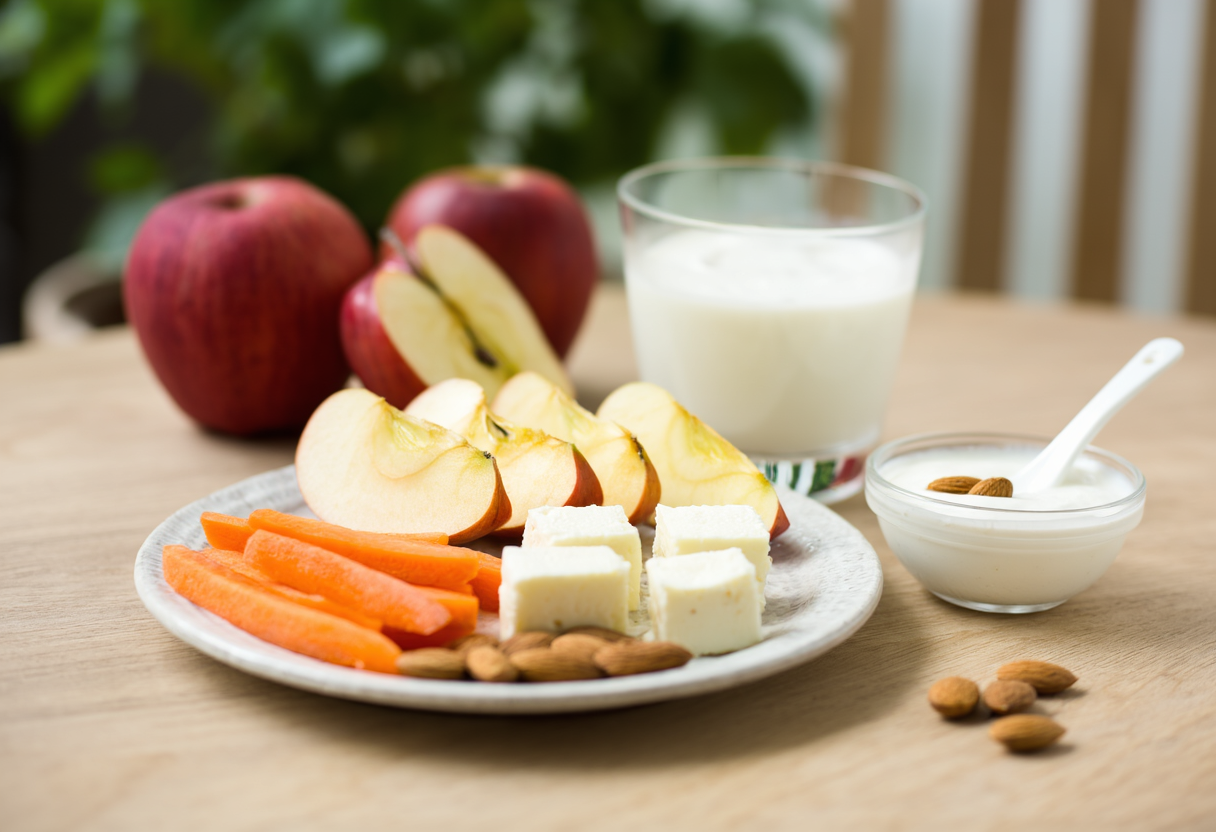
Best Foods That Strengthen Teeth and Gums
A radiant smile begins with strong teeth and healthy gums, and your dietary choices play a pivotal role in achieving this. By selecting the right foods, you can fortify your oral health, prevent common issues like cavities and gum disease, and enhance your overall well-being. This guide explores the best options to incorporate into your routine for optimal results.
Why Diet Matters for Strong Teeth and Healthy Gums
Your food choices directly impact enamel strength, gum resilience, saliva flow, and cavity risk, making nutrition a cornerstone of oral wellness. A balanced diet supports essential functions, such as repairing microscopic enamel damage and reducing inflammation, which are critical for long-term health. Integrating smart eating with Daily Dental Habits & Home Care amplifies these benefits, creating a powerful defense against oral problems.
Key Nutrients for Enhanced Oral Health
Specific nutrients are vital for maintaining and repairing your teeth and gums. Calcium and phosphorus work synergistically to remineralize enamel, forming a robust barrier against acid erosion and decay. Vitamins like C and D boost collagen production for gum tissue repair and reduce inflammation, helping to prevent conditions like gingivitis. Here's a quick overview of their roles:
- Calcium: Strengthens enamel and supports bone density.
- Phosphorus: Aids in mineralizing tooth surfaces for decay resistance.
- Vitamin C: Enhances gum resilience by promoting collagen synthesis.
- Vitamin D: Improves calcium absorption for overall oral strength.
Saliva-friendly foods, such as crunchy produce, increase saliva flow to naturally wash away bacteria and food particles. This minimizes plaque buildup, combats dry mouth, and freshens breath, complementing your Daily Dental Habits & Home Care routine effectively.
Dairy Foods That Help Strengthen Tooth Enamel
Milk, cheese, and yogurt are top choices for enamel fortification due to their rich supply of calcium, phosphorus, and protein. Calcium and phosphorus collaborate to rebuild enamel, creating a durable shield against acid erosion. For example, cheese can raise mouth pH after meals, neutralizing acids that weaken enamel—try enjoying a small cheese cube post-dinner for a less acidic environment.
Opt for low-sugar options like plain Greek yogurt to avoid hidden sugars that feed harmful bacteria. Easy ways to include dairy in your diet:
- Start your day with milk in cereal for a calcium boost.
- Snack on cheese sticks for quick pH balancing.
- End your evening with a yogurt parfait for protein-rich benefits.
Crunchy Fruits and Vegetables That Support Daily Oral Health
Apples, carrots, celery, and similar crunchy produce stimulate saliva and act as natural cleansers. Their abrasive textures scrub away food debris from tooth surfaces, reducing plaque accumulation and cavity risk. Increased saliva from chewing these items fights dry mouth and bad breath, thanks to enzymes that combat bacteria. Vitamin-rich veggies like carrots also provide antioxidants for healthier gums and fresher breath.
Remember, while crunchy foods are helpful, they should supplement—not replace—brushing or flossing in your Daily Dental Habits & Home Care routine for comprehensive hygiene.
Vitamin C and Antioxidant-Rich Foods for Stronger Gums
Bell peppers, strawberries, kiwi, oranges, and leafy greens are packed with vitamin C and antioxidants, promoting gum healing and resilience. Vitamin C boosts collagen production to strengthen connective tissues and reduce inflammation signs like redness or swelling, aiding in gingivitis prevention.
Be cautious with acidic citrus fruits; rinse with water after consumption to neutralize acids and protect enamel. Early signs of poor gum health include bleeding during flossing or persistent bad breath—addressing these with vitamin C-rich foods can accelerate recovery.
Nuts, Seeds, and Lean Proteins That Build Oral Strength
Almonds, sesame seeds, chia seeds, eggs, chicken, and fish offer minerals like magnesium, zinc, and phosphorus for teeth, jaw health, and tissue repair. Magnesium supports bone density, zinc aids healing, and phosphorus reinforces enamel alongside calcium.
For practical snacks, choose unsalted almonds or chia seed pudding to fit a low-sugar routine. Avoid sticky trail mixes that cling to teeth and promote bacteria. Here's a simple comparison of key minerals:
| Food | Key Mineral | Oral Benefit |
|---|---|---|
| Almonds | Magnesium | Strengthens jaw bones |
| Chia Seeds | Zinc | Promotes tissue healing |
| Fish | Phosphorus | Reinforces enamel |
Best Drinks and Hydrating Foods for a Cleaner Mouth
Water and water-rich foods like cucumber and watermelon are essential for saliva flow, reducing dry mouth, and supporting daily habits. Water rinses away sugars and acids without adding calories, making it the safest choice. Hydrating foods keep tissues moist for oral comfort.
Compared to risky options, water outperforms sugary or acidic drinks:
- Sports drinks and soda: High in sugar and acidity, increasing cavity and enamel erosion risks.
- Juice: Often contains hidden sugars that feed bacteria.
Incorporate hydration habits: drink water upon waking, sip throughout the day, and have a small amount before bedtime to enhance your Daily Dental Habits & Home Care.
Foods and Drinks to Limit If You Want Stronger Teeth and Gums
Even a healthy diet can be undermined by frequent sugary, acidic, or sticky items, so moderation is key. Problem foods include sugary candy, soda, chips, dried fruit, and constant snacking, which feed plaque-causing bacteria and lead to decay. Acidic drinks like soda soften enamel over time, causing sensitivity.
Sticky refined carbs, such as gummy candies or white bread, cling to teeth and nourish harmful microbes. Swap them for healthier options:
- Choose fresh fruit over dried versions to reduce sugar exposure.
- Opt for water instead of soda to minimize acid damage.
- Select whole-grain snacks for convenience without compromising oral health.
How to Build a Teeth-Friendly Meal Plan With Daily Dental Habits & Home Care
Combining smart food choices with consistent oral care yields the best results for lasting health. Create a simple daily plan: breakfast with oatmeal, berries, and nuts; lunch featuring a salad with leafy greens and lean chicken; dinner of fish with steamed veggies; and snacks like apple slices with cheese. This ensures steady intake of enamel-strengthening nutrients.
Recommend brushing twice daily with fluoride toothpaste and flossing once to remove plaque. After acidic foods, wait 30 minutes before brushing to prevent enamel damage. Schedule regular dental visits for personalized advice on issues like sensitivity or bleeding gums. By weaving these foods into your life alongside Daily Dental Habits & Home Care, you'll build a foundation for a healthier, brighter smile.