Daily Routine for Perfect Oral Health
Discover the essential daily habits for achieving flawless oral health and preventing common issues like cavities, gum disease, and bad breath. This guide outlines a simple, step-by-step routine including proper brushing, flossing, and smart eating, while debunking widespread dental myths and answering FAQs. Learn practical tips for morning, midday, and nighttime care, and understand why professional checkups are vital for long-term results. Start your journey to a healthier smile today with actionable advice that fits any lifestyle.
Daily Routine for Perfect Oral Health
Achieving perfect oral health isn't a stroke of luck—it's the result of a dedicated daily routine that prevents common issues like plaque buildup, cavities, gum disease, and bad breath before they start. By sticking to consistent habits, you build a strong defense against these problems, leading to fewer dental emergencies and costly treatments over time. This approach not only saves you money but also boosts your overall confidence and well-being through a healthier smile.
Why Consistency is Key for Oral Health
Many people underestimate the power of daily care due to widespread Dental Myths & FAQs. For instance, some believe that skipping a day of brushing is harmless, but this can quickly escalate into enamel erosion and sensitivity. That's why we provide a straightforward, easy-to-follow daily plan to set you on the right path, ensuring long-term protection against avoidable dental issues.
Morning Oral Care: Start Your Day Right
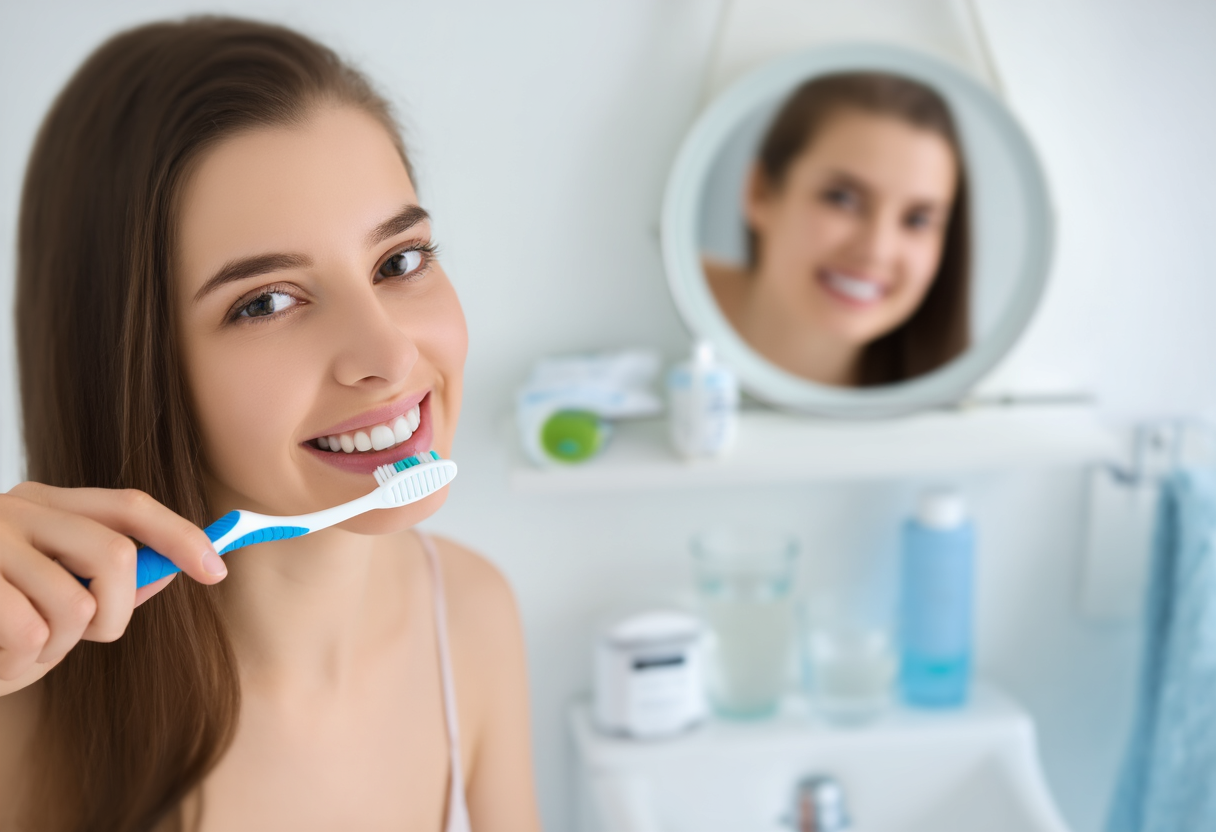
Beginning your day with proper oral care sets a positive tone for overall health. Focus on brushing for two full minutes using fluoride toothpaste, as this allows the fluoride to strengthen enamel and fight gum inflammation effectively. Aim to brush right after waking up to remove overnight bacteria build-up, which accumulates while you sleep and can cause early decay if not addressed.
Technique matters more than force—pressing too hard doesn't yield cleaner teeth but instead risks damaging enamel and increasing sensitivity. A common FAQ addresses whether to brush before or after breakfast; it's best to do it beforehand to shield your teeth from acidic foods that weaken enamel during brushing. Remember, gentle circular motions are optimal for thorough cleaning without harm.
The Importance of Flossing: Why You Shouldn't Skip It
Flossing is often skipped, yet it's crucial because brushing alone misses up to 40% of tooth surfaces where food particles and plaque hide between teeth and along the gumline. Make it a habit to floss once daily, using gentle motions to avoid irritating gums while ensuring comprehensive cleaning to prevent tartar buildup and inflammation.
- Myth: Flossing is only necessary when food is visibly stuck. Fact: Plaque forms invisibly every day and requires consistent removal to avoid gum disease.
- FAQ: What if traditional string floss feels awkward? Solution: Options like floss picks or water flossers work well—choose what fits your lifestyle for reliable results.
Mouthwash and Tongue Cleaning: Supporting Your Routine
Mouthwash and tongue cleaning play vital supporting roles in your routine. Mouthwash offers benefits like fresh breath, plaque control, and extra fluoride reinforcement. Use it after brushing and flossing, but never as a replacement—it complements rather than substitutes core steps for optimal protection.
Similarly, tongue cleaning reduces bacteria that cause bad breath; a quick scrape with a tongue cleaner takes seconds and significantly improves oral hygiene. Addressing FAQs, alcohol-free mouthwash is safer for daily use, especially for sensitive mouths, while antibacterial rinses should be used sparingly under dental guidance to maintain balance.
Smart Eating Habits: Fuel for Strong Teeth
Smart eating habits are essential for maintaining strong teeth all day, as sugary snacks and acidic drinks like soda erode enamel and increase cavity risk. Limit grazing and opt for tooth-friendly choices like crunchy veggies or cheese that boost saliva production to neutralize acids and fortify your enamel.
Water is your best ally, rinsing away debris and combating dry mouth—a simple sip after meals can make a significant difference in preventing decay. Debunking a common Dental Myth, remember that decay isn't just from candy; sticky snacks, sports drinks, and frequent sipping of coffee also contribute silently to enamel erosion over time.
Midday Care Tips: Freshness On the Go
For busy schedules, midday care doesn't require a toothbrush. Rinse with water after meals to wash away food particles, chew sugar-free gum to stimulate saliva flow, and avoid constant snacking to minimize plaque accumulation. These small steps help maintain freshness and prevent bacterial growth until your evening routine.
Notably, they reduce the need for emergency fixes, and FAQs cover portable solutions like travel toothbrushes or floss for on-the-go freshness. Keep breath-freshening options handy, but always prioritize water over sugary alternatives to protect your enamel and overall oral health.
Nighttime Routine: Protect Your Smile While You Sleep
Nighttime is the most critical phase, as saliva flow drops during sleep, leaving teeth vulnerable to decay. Brush and floss thoroughly before bed to remove the day's buildup, ideally in the order of floss first, then brush, and use mouthwash if desired for extra protection against overnight bacteria.
A dangerous Dental Myth claims skipping one night is fine, but for cavity-prone individuals, it can accelerate decay significantly. Answering FAQs, avoid late-night snacks after brushing, and if you're thirsty, stick to water as the only safe bedtime drink to maintain a clean oral environment.
Debunking Dental Myths & FAQs: Informed Care for Better Results
Dispelling Dental Myths & FAQs is key to informed care—whiter teeth don't always mean healthier teeth, bleeding gums aren't normal and often signal gingivitis, and baby teeth matter for future alignment. Natural remedies can't replace fluoride or professional advice; always consult a dentist for personalized guidance to avoid misinformation.
- Myth: Sensitivity during brushing is no big deal. Fact: It might indicate enamel issues—switch to a soft-bristled brush and sensitivity toothpaste.
- FAQ: How often should you replace your toothbrush? Answer: Replace every 3-4 months, and electric models often clean better than manual ones due to consistent motion.
Warning Signs and Professional Care: When to Seek Help
Even with a stellar routine, warning signs like persistent bad breath, tooth pain, bleeding gums, sensitivity, or loose teeth mean it's time to see a dentist. Regular checkups every six months are essential, as they catch problems early that home care can't address, ensuring timely interventions for lasting health.
Encourage yourself to ask personalized Dental FAQs based on factors like age, diet, or braces. This proactive approach helps tailor your routine to your unique needs, making prevention more effective and reducing dental anxiety over time.
Building Your Perfect Routine: A Practical Takeaway
For a practical takeaway, build your perfect routine with this comprehensive checklist. Consistency is the foundation for avoiding costly treatments and enjoying a confident smile.
- Brush twice daily with fluoride toothpaste for two minutes each time.
- Floss once a day to reach hidden surfaces.
- Use mouthwash as needed for added protection.
- Clean your tongue daily to reduce bacteria.
- Drink plenty of water and eat tooth-friendly foods.
- Visit your dentist regularly for checkups.