How to Choose the Right Toothbrush
Selecting the ideal toothbrush is essential for maintaining excellent oral health through effective daily dental habits and home care. This comprehensive guide covers key factors like choosing between manual and electric options, understanding why soft bristles are superior, and optimizing head size for precision cleaning. Learn how comfort features and personalized choices can prevent gum disease and cavities, while avoiding common pitfalls like hard bristles or oversized heads. Discover maintenance tips for long-term success, ensuring your brushing routine supports a healthier, brighter smile every day.
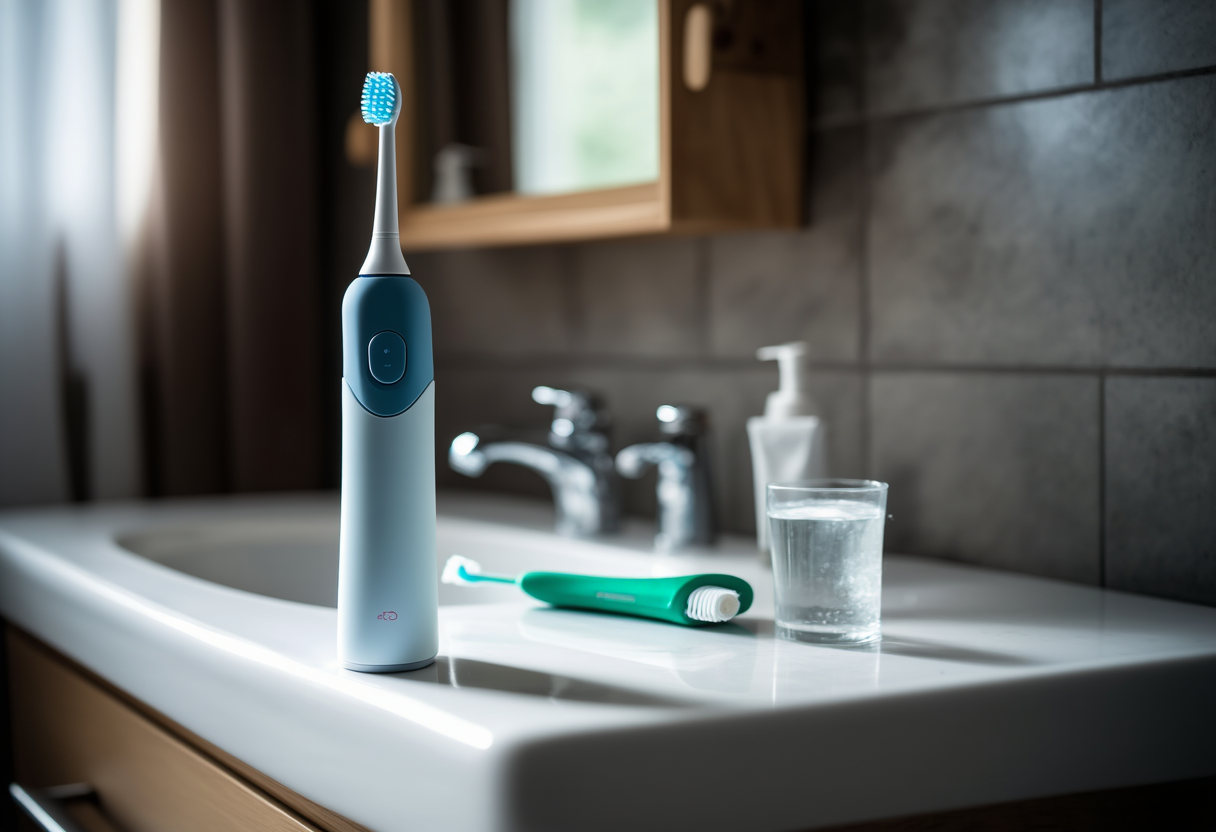
How to Choose the Right Toothbrush
Choosing the right toothbrush isn't just a routine chore—it's a foundational element of your daily dental habits and home care that profoundly influences oral health outcomes. An effective toothbrush ensures thorough plaque removal, a critical step in preventing cavities and preserving a healthy, confident smile. More importantly, it reduces the risk of gum disease by promoting better gum integrity, making this choice indispensable for anyone serious about long-term hygiene. Without exaggeration, opting for a subpar brush can lead to ineffective brushing, discomfort like enamel wear, and persistent dental issues. That's why an informed selection is vital for successful home care, empowering you to build consistent, protective routines.
Manual vs. Electric Toothbrushes: Which Suits You Best?
When deciding between manual and electric toothbrushes, remember there's no universal solution—the best fit depends on individual preferences and specific oral needs. Manual toothbrushes stand out for their affordability and simplicity, offering reliable cleaning when paired with proper technique; they're a budget-friendly staple for daily dental habits. However, electric toothbrushes elevate plaque removal through oscillating or rotating heads, making them highly beneficial for those with braces, arthritis, or inconsistent brushing skills. For instance, individuals with limited dexterity often find electric models easier to handle, enabling more comprehensive home care. Ultimately, manual options remain practical for cost-conscious users, but combining them with expert techniques ensures optimal results in your routine.
- Manual benefits: Low cost, easy to replace, and ideal for travelers or quick routines.
- Electric advantages: Enhanced cleaning efficiency, built-in timers for better habit formation, and suitability for specialized dental work.
Bristle Type: Why Soft is the Superior Choice
Bristle type plays a pivotal role in selecting your ideal toothbrush, with soft bristles emerging as the top recommendation for most users. Soft options gently cleanse teeth without causing enamel abrasion or gum irritation, safeguarding your mouth during daily dental habits. For those with sensitive gums or recovering from treatments like whitening, ultra-soft bristles provide an extra-gentle touch that minimizes discomfort. In contrast, hard bristles can damage gum tissue over time and should be avoided—highlighting how aligning bristle choice with your needs fosters sustainable home care. By choosing soft, you not only protect your oral structures but also enhance comfort, encouraging consistency in your brushing rituals.
Head Size and Shape: Key to Effective Cleaning
The size and shape of the toothbrush head are critical for accessing hard-to-reach areas, directly impacting your home care efficacy. Smaller heads excel at maneuvering around back teeth and tight spaces where plaque commonly accumulates, ensuring a thorough clean that reduces decay risks. For example, a compact head allows precise movement in crowded mouths, making it easier to cover all surfaces without missing spots. Conversely, larger heads can hinder control and fail to reach crevices, potentially leading to overlooked buildup. Therefore, selecting an appropriately sized head—tailored to your mouth's anatomy—is integral to supporting daily dental habits and maximizing oral health outcomes through meticulous cleaning.
Comfort and Control: Ergonomics for Better Habits
Comfort and control in toothbrush design are paramount because a handle that feels right encourages consistent use and proper technique, boosting your home care routine. Ergonomically shaped handles with non-slip grips and angled necks facilitate gentle pressure application, which is essential for avoiding enamel damage and gum recession. Additionally, features like pressure sensors or built-in timers on electric brushes offer real-time feedback, reinforcing disciplined daily dental habits at home. By prioritizing usability—such as choosing lightweight, balanced designs—you're more likely to integrate effective brushing into your schedule, promoting long-term oral wellness without strain or inconvenience.
Tailoring to Your Oral Health Needs
Personalizing your toothbrush choice based on specific oral health needs transforms your daily dental habits into a targeted defense against common issues. For sensitive teeth or bleeding gums, ultra-soft bristles paired with smaller heads significantly reduce irritation and enhance comfort during brushing. Individuals with braces or periodontal concerns often require specialized brushes, like orthodontic-friendly designs, that navigate hardware without causing damage. Parents should seek smaller, colorful, or interactive brushes for children to foster early adoption of good habits, using fun elements to make home care engaging. Always consult a dentist for customized recommendations, as they ensure your toothbrush aligns perfectly with your unique needs, optimizing effectiveness in your routine.
Common Mistakes to Avoid in Toothbrush Selection
Many consumers err by prioritizing marketing gimmicks over practical needs when buying toothbrushes, undermining their daily dental habits and home care. It's crucial to debunk the myth that firmer bristles equate to better cleaning—in reality, they often accelerate enamel wear and gum damage. Additionally, a higher price doesn't guarantee superior quality; instead, focus on essential features like comfortable handles and appropriate head sizes for your routine. Avoid oversized or overly abrasive brushes, as they can impair technique and cause discomfort during use. By steering clear of these pitfalls, you enhance your brushing efficacy, protect oral health, and build more reliable home care practices for lasting results.
- Error: Believing hard bristles clean deeper—truth: they harm enamel.
- Solution: Prioritize softness and ergonomic design over price or trends.
Maintenance and Replacement: Ensuring Long-Term Success
Even the finest toothbrush loses effectiveness without proper upkeep, making timely replacement and hygiene practices vital for sustained home care success. Dentists advise replacing toothbrushes or electric heads every 3-4 months, or sooner if bristles fray, to maintain peak cleaning performance. After each use, rinse brushes thoroughly and air-dry them upright to prevent bacterial growth that compromises oral health. Using holders or travel cases also extends hygiene between sessions, safeguarding your daily dental habits. These practices not only prolong your brush's life but also reinforce consistent routines, ensuring your home care efforts deliver a brighter, healthier smile for years to come.