Travel Dental Care Tips You Need
Discover essential travel dental care tips to maintain your daily dental habits and home care while on the go. Learn how to prevent common issues like dry mouth, plaque buildup, and emergencies with simple strategies. From pre-trip planning and packing a smart kit to consistent brushing and smart food choices, this guide helps you protect your smile anywhere. Perfect for frequent travelers, it includes practical advice for special needs like braces and handling dental emergencies. Keep your oral health strong and avoid disruptions during your adventures!
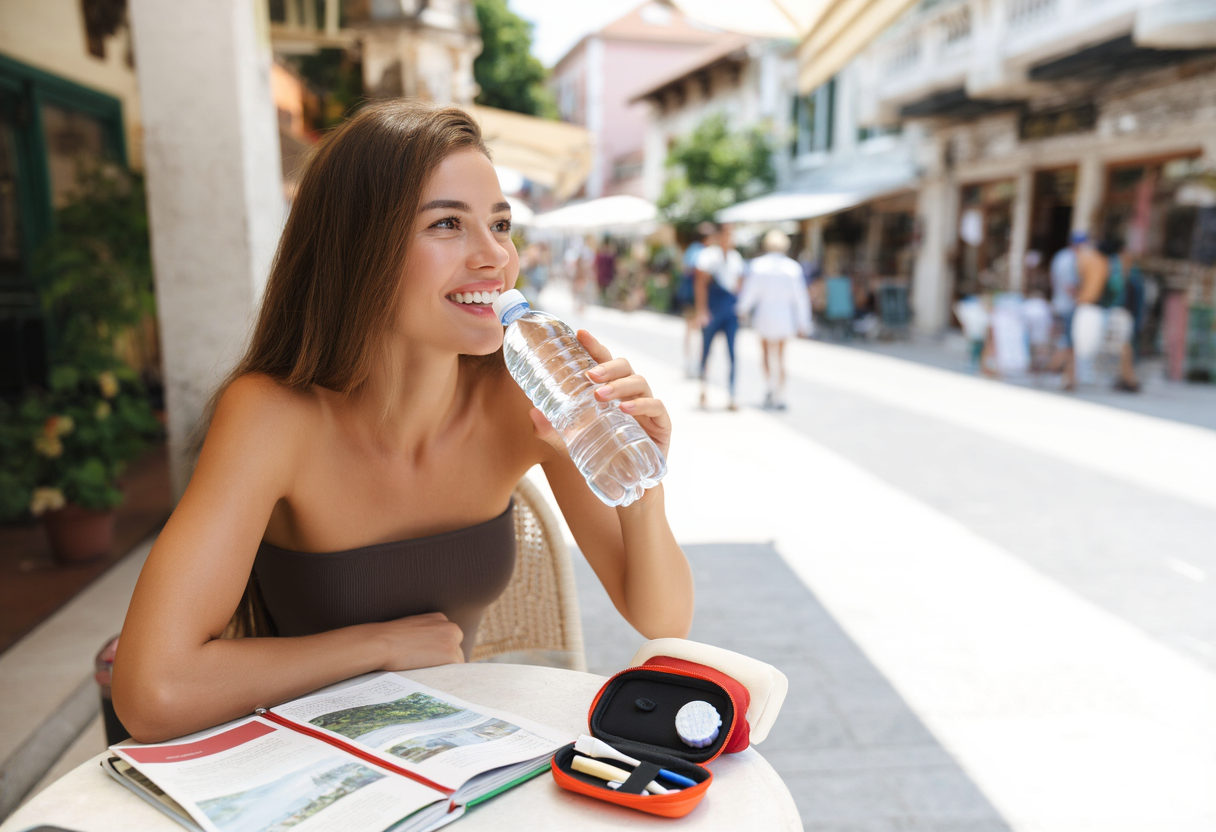
Why Travel Dental Care Matters
Traveling can be an exciting adventure, but it often disrupts your daily dental habits and home care routines, making prevention more critical than ever. Factors like flights, road trips, jet lag, and packed schedules easily lead to missed brushing and flossing sessions. Common risks include dry mouth from cabin air, indulging in sugary snacks on the go, and limited bathroom access, which can quickly cause bad breath, plaque buildup, and gum irritation. Even a few days of poor oral hygiene can escalate issues, so maintaining simple, adaptable habits is key to protecting your smile during travel.
Pre-Trip Dental Planning
However, a little pre-trip dental planning drastically reduces the chances of dental pain or emergencies away from home. Before long vacations, international trips, or business travel, schedule a dental checkup to catch potential issues early. Refill prescriptions for medications and replace worn items like toothbrushes or floss. If you have crowns, fillings, braces, or sensitivity, address these proactively. Additionally, save your dental insurance details and dentist's contact info in your phone or wallet for quick access, ensuring you're prepared for any unexpected situations.
- Schedule a dental checkup to identify and fix minor problems before they worsen.
- Refill prescriptions and replace essentials such as toothbrushes, floss, or aligner supplies to avoid shortages.
- Address specific concerns like sensitivity or braces to prevent discomfort during travel.
- Store emergency contacts digitally or physically for easy reference if issues arise.
Packing Your Travel Dental Kit
Packing a compact yet well-stocked travel dental care kit ensures maintaining your daily dental habits and home care remains effortless on the go. Must-have items include a toothbrush, fluoride toothpaste, floss, mouthwash, and a sturdy travel case. Useful extras like interdental brushes for tight spaces, sugar-free gum to stimulate saliva, a tongue scraper for freshness, and lip balm to prevent chapping add extra protection. For specific needs, include aligner cases, retainer cleaners, or sensitivity toothpaste. To avoid mishaps, keep one kit in your carry-on luggage and a backup in checked bags or your car, making oral care convenient wherever you are.
- Toothbrush and fluoride toothpaste for effective daily cleaning.
- Floss and mouthwash to combat plaque and maintain gum health.
- Interdental brushes and sugar-free gum for added convenience and saliva stimulation.
- Specialty items like aligner cases or sensitivity products tailored to your needs.
- Travel case and backups to ensure you're always prepared.
Maintaining Consistent Brushing Habits
Maintaining consistent brushing habits forms the foundation of effective travel dental care, even in challenging settings like hotels or airports. Aim to brush twice daily for a full two minutes, regardless of a hectic itinerary. Practical tips include brushing in airport restrooms, gas stations, or hotel sinks—carry a portable toothbrush and fluoride toothpaste for quick use. Opt for a soft-bristled travel toothbrush to avoid enamel damage and steer clear of common mistakes like rushing through brushing or applying too much pressure. This routine helps uphold your daily dental habits and home care, preventing decay and irritation during travel.
The Importance of Interdental Cleaning
Brushing alone isn't enough; interdental cleaning must remain part of your daily routine to prevent gum disease and cavities while traveling. Consider convenient options like floss picks, thorough traditional floss, or portable water flossers for efficiency. Use the right technique: gently slide floss between teeth to remove debris without irritating gums. Best times to floss include after dinner or before bed—be prepared with floss designed for unique needs such as braces or bridges. Integrating this into your daily dental habits and home care ensures comprehensive protection against oral health issues on the road.
Smart Food and Drink Choices
Your food and drink choices directly impact cavity risk, enamel strength, and gum health; therefore, opt for smart, tooth-friendly options while on the go. Favor snacks like cheese, nuts, yogurt, apples, and crunchy vegetables that stimulate saliva and neutralize acids. Limit sticky candy, frequent snacking, sports drinks, soda, and sugary coffee beverages that erode enamel. Make water your main beverage to support saliva flow and rinse your mouth naturally. After indulging in sugary or acidic meals, reduce damage by rinsing with water and waiting 30 minutes before brushing away residues. This approach reinforces your daily dental habits and home care by minimizing decay risks.
- Tooth-friendly snacks: Cheese, nuts, yogurt, apples, and crunchy veggies for saliva production.
- Avoid harmful items: Sticky candy, soda, sports drinks, and sugary coffee to prevent enamel erosion.
- Hydrate with water to naturally cleanse and protect your teeth.
- Post-meal care: Rinse and wait before brushing to avoid damage.
Dealing with Common Travel Issues
Small daily home care adjustments effectively resolve common travel issues like dry mouth and bad breath. Dehydration from cabin air, alcohol, or caffeine often causes dry mouth—combat this by drinking more water, using alcohol-free mouthwash, and chewing sugar-free gum regularly. For bad breath, adopt quick habits like tongue cleaning and regular flossing to avoid odor-causing bacteria buildup. Practical tips for minor sensitivity or irritated gums include applying a cold compress or using over-the-counter rinses during your trip. These simple steps help maintain your daily dental habits and home care, ensuring comfort and freshness throughout your journey.
Special Care for Braces and Sensitive Teeth
For those with braces, aligners, dentures, or sensitive teeth, special travel dental care requires extra planning to uphold daily dental habits and home care. Safely clean appliances by rinsing aligners or dentures with bottled water and using cleaning tablets when necessary. Pack backups like orthodontic wax and essential care items specific to your needs. Avoid foods that can damage brackets or trays, such as hard candies or sticky treats. Protection tips for sensitive teeth include using desensitizing toothpaste and avoiding extreme temperatures in drinks. This proactive approach prevents discomfort and keeps your oral health on track during travel.
- Clean appliances safely with bottled water and cleaning tablets.
- Pack backups like orthodontic wax and specialized items for your condition.
- Avoid damaging foods such as hard candies or sticky snacks.
- Protect sensitive teeth with desensitizing products and temperature moderation.
Handling Dental Emergencies
Knowing how to handle a travel dental emergency significantly reduces pain and prevents worsening issues—emphasizing the need to resume your daily dental habits and home care promptly after resolution. Common emergencies include toothaches, chipped teeth, lost fillings, broken crowns, and gum swelling. First steps involve rinsing with warm water and applying a cold compress while protecting the area with temporary materials like dental wax if necessary. Seek urgent care for warning signs like severe pain or facial swelling. Once resolved or your trip ends, return to your normal routine to ensure long-term oral health and prevent future problems.