Can You Reverse Cavities at Home?
Discover the truth about reversing tooth decay at home in this evidence-based guide. Learn how early enamel demineralization, like white spots, might be reversed with rigorous home care, but true cavities require professional treatment. We debunk common myths, explain the science behind cavity formation, and provide actionable tips for prevention. Find out when to see a dentist and how to maintain optimal oral health to avoid costly procedures. Empower yourself with practical strategies for a healthier smile. (Character count: 248)
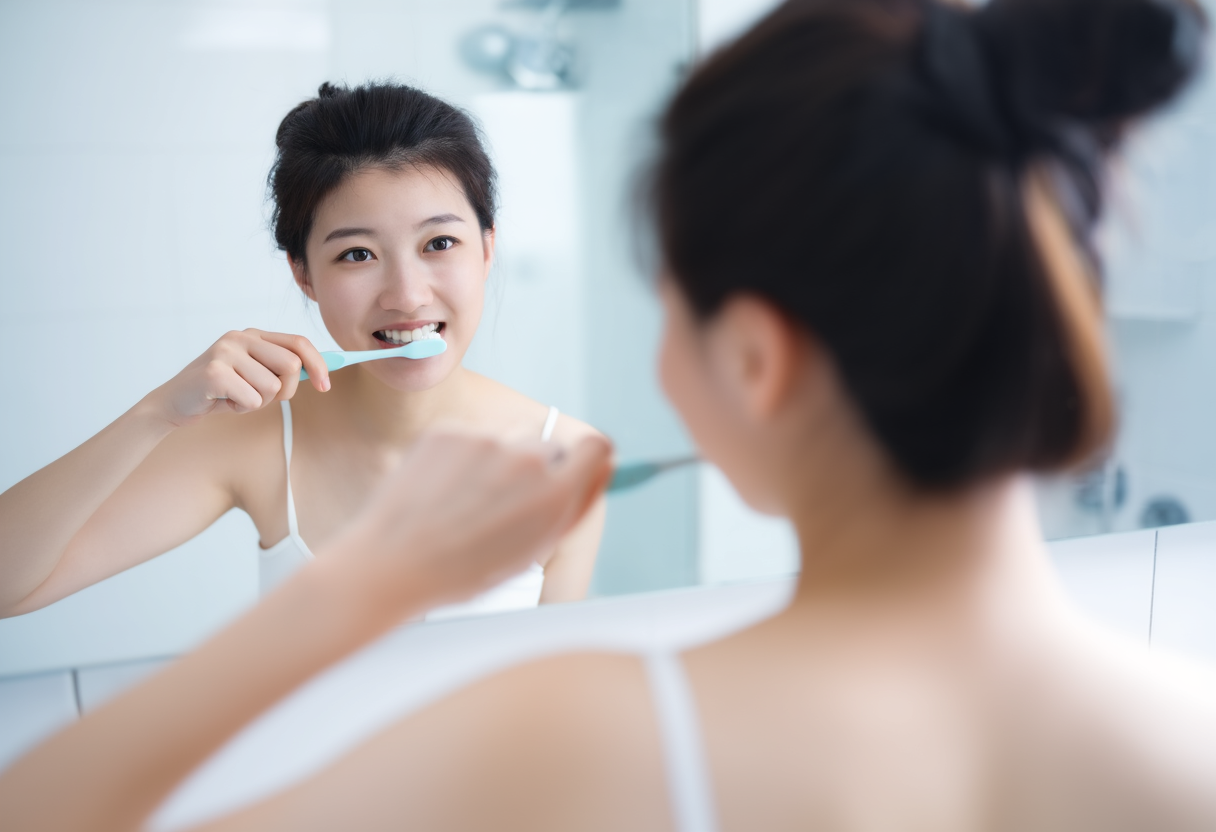
Can You Reverse Cavities at Home?
Many dental patients wonder, 'Can you reverse cavities at home?' hoping to avoid the dentist. This question highlights a common misconception: the difference between early enamel demineralization and a true cavity. Early signs like white spots indicate mineral loss where enamel is weakened but intact. At this stage, exceptional home care can promote remineralization. However, a cavity is a physical hole in the tooth structure, which cannot regenerate on its own. Understanding this distinction debunks many online Dental Myths & FAQs and sets the stage for effective oral health strategies.
The Reality of Reversing Cavities: Evidence-Based Insights
So, can you reverse cavities at home? The answer is nuanced: potentially for very early demineralization, but definitively not for established cavities. Tooth decay progresses through distinct stages, starting with subsurface enamel weakening and advancing to surface breakdown that creates a cavity. If caught early at the white spot phase, intensive home efforts might halt or reverse damage. Delay, however, allows decay to reach the dentin or pulp, turning a reversible situation into one needing professional care. Ignoring symptoms risks more painful and costly treatments, emphasizing the importance of prompt action.
How Cavities Form and Why Home Reversal Is Limited
Cavities develop when plaque bacteria feed on sugars and starches in your mouth, producing acids that attack enamel in a process called demineralization. Repeated acid assaults—from habits like frequent snacking or sipping sugary drinks—overwhelm the mouth's natural remineralization. Key factors accelerating damage include:
- Dry mouth: Reduces protective saliva flow.
- Inadequate oral hygiene: Poor brushing and flossing allow plaque buildup.
- Insufficient fluoride: Fluoride is crucial for strengthening enamel.
- Ignored early signs: Fleeting sensitivity or faint white spots often go unnoticed.
This explains why home reversal only works in the earliest phase; once a physical cavity forms, the structure loss is irreversible without professional help.
Effective Home Strategies for Early Remineralization
For early white spot lesions, specific home habits can create a remineralization-friendly environment. Focus on a consistent routine to maximize results:
- Brush meticulously: Use fluoride toothpaste twice daily for two minutes to rebuild weakened enamel.
- Floss daily: Remove plaque between teeth to prevent acid buildup.
- Rinse with fluoride mouthwash: Provides an extra mineral boost for enamel repair.
- Optimize your diet: Cut back on sugary beverages and sticky candies; limit snacking to reduce acid attacks.
- Promote saliva flow: Stay hydrated, chew sugar-free xylitol gum, or use xylitol products to neutralize acids and deliver minerals.
Diet plays a vital role—incorporating calcium-rich foods like dairy or leafy greens supports overall tooth health. Consistency is key, as remineralization can take several months of diligent effort.
Debunking Common Dental Myths & FAQs
Popular myths promise easy fixes, but evidence shows otherwise. Oil pulling may reduce bacteria but cannot heal a physical cavity or rebuild lost structure. Claims about charcoal toothpaste, baking soda scrubs, or 'natural' pastes filling cavities are unfounded; some can even be abrasive and harmful. While vitamins like calcium and vitamin D support tooth health, supplements alone cannot reverse decay. Remember: home remedies might soothe minor sensitivity temporarily, but they cannot repair true cavity damage. This clarity addresses frequent Dental Myths & FAQs and prevents misguided attempts.
When to Seek Professional Dental Help
Recognizing when home care is insufficient prevents irreversible damage. Warning signs demanding a dentist visit include:
- Visible holes or pits in teeth
- Persistent toothache or throbbing pain
- Significant sensitivity to hot, cold, or sweets
- Swelling in the gums or face
- Dark brown or black staining on a tooth
Dentists diagnose cavity depth through exams, probing, and X-rays. Treatment options vary: fluoride varnish or sealants for early lesions, resin infiltration for some decay, and fillings for established cavities. Timely care stops minor issues from escalating into root canals or tooth loss.
Addressing Key Dental FAQs for Clarity
Common questions often arise, so here's a quick FAQ based on evidence:
- Can a cavity heal if it doesn't hurt? Pain isn't a reliable indicator; early decay is painless, but cavities won't heal without treatment.
- Are cavities in children easier to reverse? Children's teeth remineralize well, but only early demineralization is reversible—not cavities.
- Does mouthwash reverse cavities? Fluoride mouthwash aids early remineralization by reducing bacteria, but it can't reverse a cavity.
- How long does remineralization take? With impeccable care, strengthening white spots may take months of sustained effort.
These answers empower you with knowledge to make informed decisions.
Building a Robust Prevention Plan
The most realistic approach is prevention. Implement a simple daily routine: brush twice daily with fluoride toothpaste, floss thoroughly, and use fluoride mouthwash. Limit sugary or acidic foods to mealtimes, and choose water or xylitol gum between meals. Schedule dental cleanings every six months, or more often if you have risk factors like dry mouth or a history of decay. Long-term protection comes from consistent fluoride exposure, a low-sugar diet, and excellent hygiene. Remember: diligent home care prevents decay and may reverse early signs, but once a cavity forms, professional treatment is essential for lasting oral health.