Teen Oral Care: Braces, Bad Breath, and Habits
Navigating the unique dental challenges of adolescence requires tailored strategies for teens and parents alike. This comprehensive guide dives into essential aspects like braces care, bad breath solutions, and habit management, addressing hormonal shifts, busy schedules, and dietary impacts on oral health. Learn practical tips for daily routines, nutrition, and protection during sports or school activities. Empower your teen with lifelong healthy habits to prevent cavities, gum issues, and ensure a confident smile. Ideal for different groups, this resource combines expert advice with easy-to-follow steps for optimal dental care.
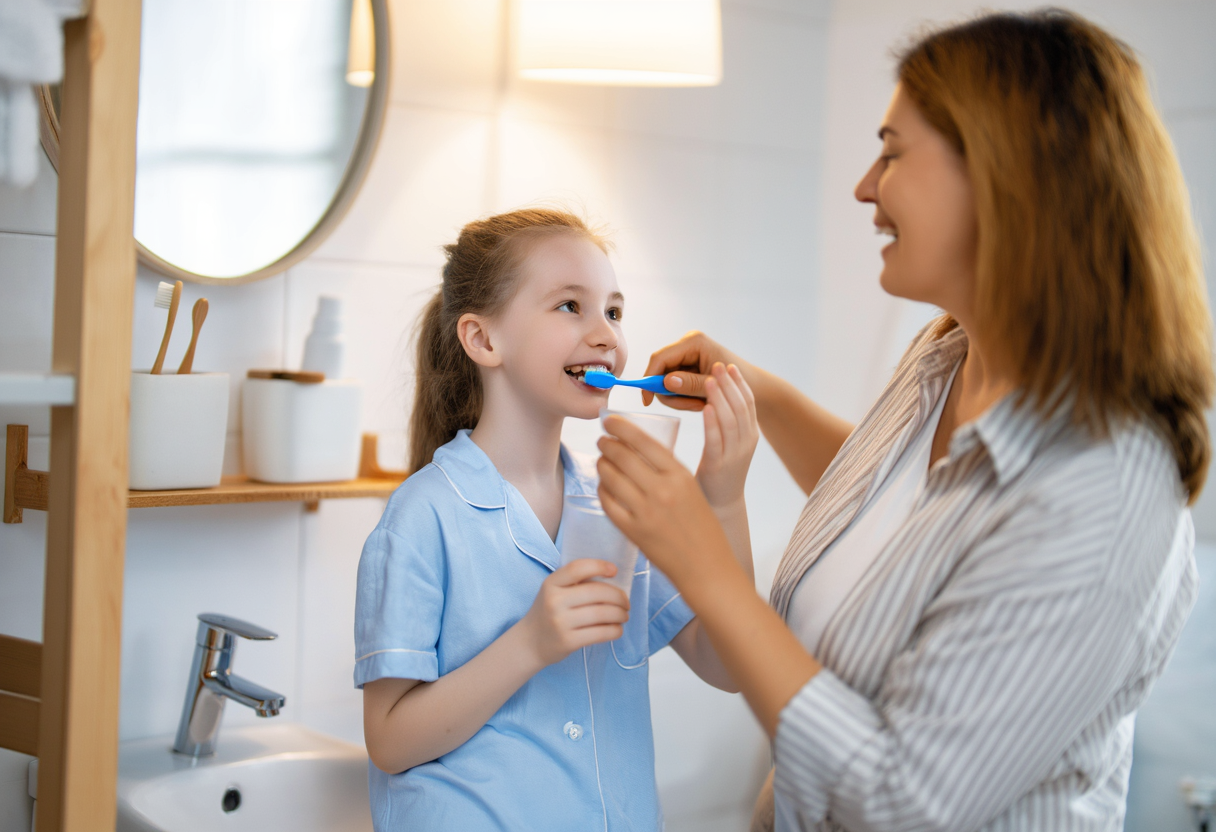
Teen Oral Care: Braces, Bad Breath, and Habits
Navigating the teenage years involves unique dental challenges that demand specialized oral care tailored to adolescents' evolving needs. As teens undergo hormonal shifts, adopt busy lifestyles, and form new habits, their dental health requires focused strategies. This comprehensive guide explores essential aspects, including braces management, bad breath solutions, and harmful habit avoidance, all designed for different groups like busy teens and their supportive parents. By providing practical tips, we aim to help maintain a healthy smile and ensure optimal dental outcomes through proactive care.
Teen Oral Care Basics: Why Adolescence Changes Dental Needs
Adolescence introduces distinct oral care needs due to hormonal changes, dietary shifts, and daily routines that profoundly impact teeth and gums. Hormonal fluctuations during puberty heighten gum sensitivity, often causing swelling and bleeding; thus, gentle brushing and regular dental visits become crucial for prevention. Busy school schedules frequently result in skipped oral hygiene sessions, as teens juggle academics and social life—this neglect can escalate minor issues like plaque buildup into serious decay. Key factors include:
- Frequent snacking on sugary treats or sports drinks, which prolongs acid exposure and increases cavity risk.
- The importance of early education in establishing lifelong habits, empowering teens to take charge of their dental health.
- Simple adjustments, such as using soft-bristled brushes and scheduling reminders, to combat time constraints.
By understanding these dynamics, teens can build resilience against common problems, fostering better long-term outcomes.
The Best Daily Oral Hygiene Routine for Teens
Implementing a consistent daily oral hygiene routine is vital for preventing dental complications, especially for teens with packed schedules. A well-structured approach ensures thorough cleaning and protection. Follow this step-by-step guide:
- Brush twice daily with fluoride toothpaste for two full minutes to remove plaque and strengthen enamel, reducing decay and sensitivity risks.
- Floss every day to clean between teeth and around the gumline, where brushes often miss trapped particles.
- Use a tongue scraper or brush to eliminate odor-causing bacteria, enhancing overall freshness.
- Rinse with an alcohol-free mouthwash to add hydration and combat dryness without irritation.
Additionally, replace toothbrushes every three months or after illnesses, as worn bristles harbor germs and diminish cleaning efficiency. This routine not only maintains hygiene but also integrates seamlessly into busy lives, promoting habit sustainability.
Braces Care for Teens: How to Keep Teeth Clean During Orthodontic Treatment
Caring for braces demands specialized tools and techniques to prevent plaque buildup, stains, and treatment delays. Orthodontic brushes, interdental cleaners, or water flossers are essential for thorough cleaning around brackets and wires—neglecting these areas can lead to white spots or decay. Essential strategies include:
- Avoiding sticky or hard foods like caramel or nuts to minimize bracket damage or wire bending.
- Rinsing with water after meals when brushing isn't feasible, such as during school or outings, to dislodge food particles.
- Adhering closely to orthodontist instructions to reduce soreness and ensure a smooth path to straight teeth.
By incorporating these practices, teens can maintain hygiene effortlessly, avoiding complications and achieving optimal results faster.
Bad Breath in Teenagers: Common Causes and Easy Fixes
Bad breath is a frequent concern among teens, often stemming from bacteria buildup, dry mouth, or dietary choices, but simple fixes can restore freshness and confidence. Plaque accumulation on the tongue and between teeth serves as a primary odor source; thus, diligent brushing and flossing are essential for eliminating trapped bacteria. Common causes and solutions:
| Cause | Solution |
|---|---|
| Dry mouth from dehydration or medications | Increase water intake and use saliva-stimulating products. |
| Strong-smelling foods like garlic | Limit consumption and rinse mouth after eating. |
| Sugary drinks promoting bacterial growth | Opt for sugar-free alternatives and chew gum with xylitol. |
Addressing these issues early prevents more significant health problems, such as gum disease, and boosts self-esteem through consistent care.
Harmful Teen Habits That Damage Teeth and Gums
Many everyday habits silently erode enamel and irritate gums during adolescence, requiring awareness and intervention. Regular consumption of soda and energy drinks heightens enamel erosion risk due to high sugar and acid content; instead, choosing water is a healthier alternative. Key harmful practices include:
- Nail biting, chewing ice, or using teeth as tools, which can chip or crack teeth, leading to painful repairs.
- Smoking or vaping, which stains teeth, dries the mouth, and elevates gum disease risk.
- Skipping nighttime brushing, allowing bacteria to linger overnight and cause decay.
Maintaining consistent habits, like brushing before bed, helps mitigate these risks, fostering stronger dental health for the long term.
Teen Nutrition and Hydration for Better Oral Health
Nutrition and hydration play crucial roles in cavity prevention and overall oral health, especially for growing teens. Consuming calcium-rich foods like dairy products, lean proteins, fruits, and vegetables strengthens teeth and combats decay from acidic snacks. Drinking ample water is essential as it washes away food particles and promotes saliva production, which neutralizes harmful acids. Optimal dietary tips:
- Limit frequent snacking to reduce acid attacks on enamel; prioritize structured meals over constant grazing.
- Choose tooth-friendly snacks such as cheese, yogurt, apples, or carrots for nutrients without sugar spikes.
- Incorporate vitamin-rich foods to support gum health and reduce inflammation risks.
This balanced approach not only enhances dental resilience but also aligns with overall wellness goals for different lifestyles.
Sports, School, and Social Life: Protecting Teeth in a Busy Teen Schedule
For active teens balancing sports, academics, and social engagements, practical dental protection is key to maintaining oral health amidst chaos. Wearing a mouthguard during contact sports prevents broken teeth and injuries, offering a simple shield against costly treatments. Packing a portable oral care kit with essentials like a travel toothbrush, floss picks, and sugar-free gum enables quick clean-ups after meals or snacks on the go. Effective strategies include:
- Integrating braces care into daily routines, such as setting reminders for cleaning after activities.
- Managing time to ensure no hygiene steps are skipped, even during hectic after-school schedules.
- Educating on emergency responses, like rinsing with water if a bracket breaks, to prevent complications.
These habits empower teens to safeguard their smiles without sacrificing their vibrant lifestyles.
When Teens Should See a Dentist or Orthodontist
Regular dental checkups are vital for preventing significant oral health issues, making preventive care a cornerstone of teen healthcare. Visiting the dentist every six months ensures professional cleanings and early detection of problems like cavities or misalignment. Warning signs to watch for:
- Bleeding gums or persistent bad breath, which may indicate underlying issues like gingivitis.
- Broken brackets or dental pain, requiring immediate intervention to avoid treatment delays.
- Changes in bite or alignment, signaling the need for orthodontic evaluation.
By integrating these visits into routine care, teens and parents can address concerns promptly, ensuring long-term dental wellness and confidence.
Conclusion: Building Lifelong Healthy Habits
In conclusion, teen oral care involves adapting to challenges like braces management and bad breath solutions while promoting healthy habits that pave the way for a brighter future. By following these guidelines tailored for different groups, teens can develop strong routines that protect their smiles; parents play a supportive role through consistent encouragement and regular dental visits. Embracing this proactive approach ensures adolescents enjoy confident, healthy smiles well into adulthood, turning everyday care into a foundation for lifelong wellness.