Cracked vs Chipped Tooth: What’s the Difference
Discover the essential distinctions between a cracked tooth and a chipped tooth to protect your oral health. This guide covers their causes, symptoms, diagnosis methods, and treatment options, helping you prevent common dental problems and diseases. Learn how to spot early signs, seek timely care, and adopt preventive habits for a healthier smile. Don't let minor damage turn into major issues—empower yourself with expert insights today!
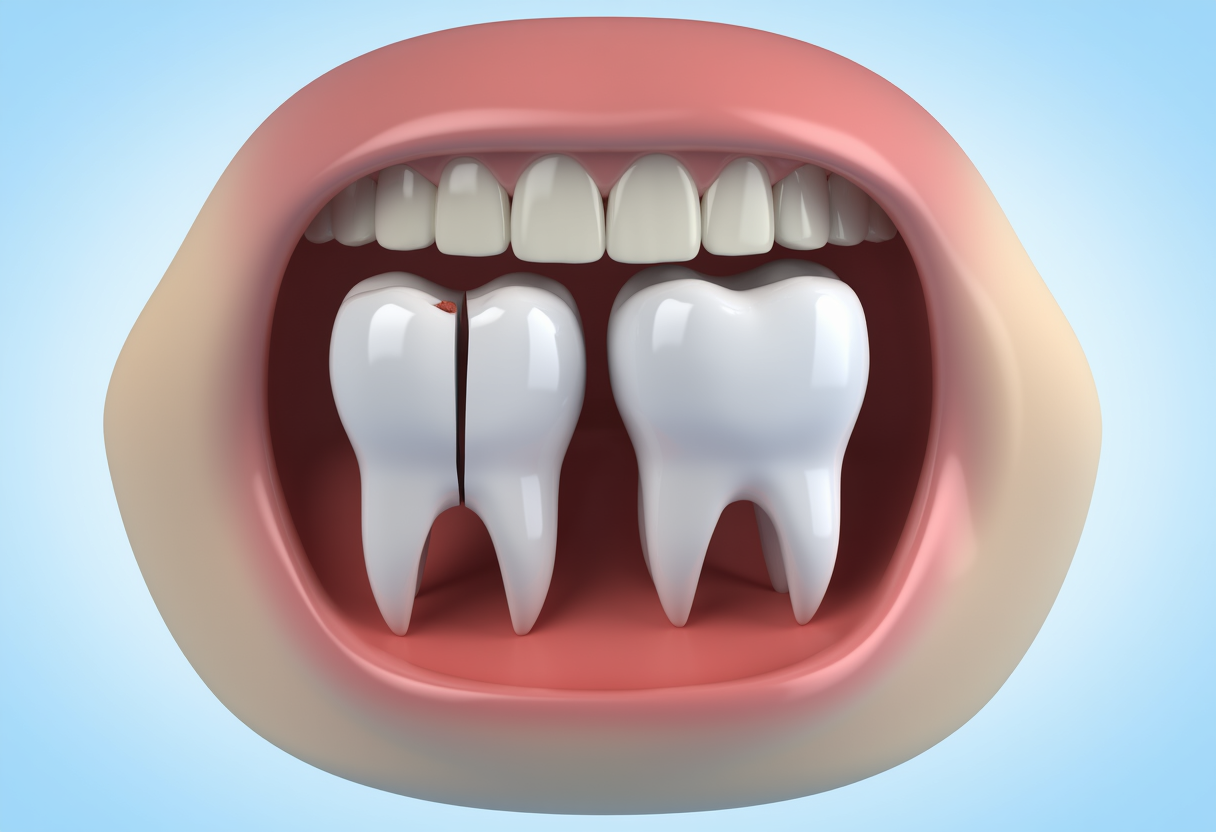
Cracked vs Chipped Tooth: What’s the Difference
Ever felt a sudden jolt of pain or noticed a rough spot on your tooth after biting into something hard? Distinguishing between a cracked tooth and a chipped tooth is vital for tackling dental problems and diseases head-on, as misdiagnosis can lead to serious complications like infections or tooth loss. In this comprehensive guide, we'll explore the key differences, delve into causes and symptoms, outline diagnostic approaches, and discuss effective treatments to help you safeguard your oral well-being. By understanding these nuances, you can take proactive steps to maintain a healthy, pain-free smile.
What is a Chipped Tooth?
A chipped tooth occurs when a small fragment of enamel—the hard, protective outer layer of your tooth—breaks off, typically from the biting edge or corner. This damage is often minor and results from everyday habits like crunching on ice or hard candy, leaving a visible, sharp irregularity that causes little to no discomfort. While it might seem like a cosmetic issue, ignoring a chipped tooth can lead to increased sensitivity or decay over time, making early attention crucial for preventing more complex dental diseases.
What is a Cracked Tooth?
In contrast, a cracked tooth involves a fracture line that extends deeper into the dentin or even reaches the tooth root, potentially compromising the tooth's internal structure. This type of damage isn't always visible to the naked eye and often stems from severe incidents like trauma or chronic stress from teeth grinding. If left untreated, a cracked tooth can escalate into infections or abscesses, highlighting why prompt diagnosis and care are essential for long-term oral health.
Key Differences at a Glance
Understanding the severity, symptoms, and treatment options between these two dental issues can save you from unnecessary pain and expense. For instance, a simple chipped tooth might only need cosmetic smoothing, while a cracked tooth could require a crown or root canal to prevent nerve damage. Early identification is key; catching problems before they worsen can preserve your natural tooth and avoid costly procedures. Below, we break down the core distinctions in an easy-to-reference format.
| Aspect | Chipped Tooth | Cracked Tooth |
|---|---|---|
| Severity | Minor, often surface-level | Potentially severe, deeper fractures |
| Common Causes | Biting hard foods, minor impacts | Trauma, teeth grinding, untreated decay |
| Typical Symptoms | Visible roughness, minimal pain | Intermittent pain, sensitivity to temperature |
| Treatment Options | Smoothing, bonding, or veneers | Crowns, root canals, or extraction |
| Risk of Complications | Low, but can lead to decay if ignored | High, including infections and tooth loss |
Common Causes of Tooth Damage
- Hard foods and habits: Biting down on items like popcorn kernels, ice cubes, or hard candy exerts excessive force on enamel, causing sudden fractures or chips that accumulate with frequent consumption.
- Teeth grinding and clenching (bruxism): This chronic behavior creates constant pressure, gradually wearing down enamel and weakening teeth due to factors like aging or untreated decay.
- Trauma and accidents: Sports injuries, falls, car accidents, or facial impacts often result in immediate, severe fractures, while large fillings or existing dental work can compromise tooth integrity over time.
Symptoms and Warning Signs
Recognizing symptoms early can prevent minor issues from escalating into major dental diseases. For a chipped tooth, you might spot a missing piece or feel a rough, sharp edge with little to no pain; sensitivity is usually minimal and fleeting. In contrast, a cracked tooth often causes unpredictable, intermittent pain that flares when biting or consuming hot/cold foods, potentially accompanied by gum tenderness or vague aches. Hairline cracks may not show visible signs, underscoring the need for professional exams to avoid misdiagnosis.
Diagnosis Methods
Dentists employ a multi-step approach to accurately diagnose tooth damage, starting with a visual exam and dental probes to check for irregularities or sensitivity. They review your symptom history, including pain triggers and recent incidents. Advanced tools like dental X-rays, bite tests, transillumination (shining light through the tooth), and magnification are crucial for detecting hidden cracks that evade the naked eye. This thorough process helps differentiate surface chips—easily confirmed via inspection—from deeper fractures that might require imaging, ensuring treatments like bonding or root canals are tailored correctly.
Immediate First Aid and Care
- Rinse and protect: If you suspect damage, rinse your mouth with warm water to clean the area, save any broken fragments in milk or saliva, and avoid chewing on the affected side to reduce pressure.
- Temporary relief: Apply dental wax or sugar-free gum to cover sharp edges, minimizing irritation and protecting sensitive tissues until professional help is available.
- When to seek urgent care: Get emergency dental attention if you experience severe pain, bleeding, swelling, or exposed inner structures, as delays can lead to infections or permanent damage, especially with loose or sensitive teeth.
Treatment Options
Treatment varies based on damage severity: for chipped teeth, minor enamel chips can be smoothed or polished quickly, while small to moderate chips often require dental bonding or tooth-colored fillings to rebuild shape. Veneers are ideal for front teeth chips where aesthetics matter, and crowns provide strength for larger chips. For cracked teeth, superficial cracks might stabilize with crowns, but deeper fractures affecting nerves necessitate root canals to remove infected tissue. In worst cases like split teeth, extraction prevents abscesses—always consult a dentist for personalized solutions.
Risks of Ignoring Damage
Neglecting tooth issues carries high risks: untreated chips can worsen, harboring bacteria that cause decay, heightened sensitivity, or gum disease over time. Similarly, untreated cracks deepen with daily use, leading to infections, abscesses, or even tooth loss. Early intervention is critical to maintain stability and avoid escalating dental diseases, turning minor fixes into extensive, costly procedures.
Prevention Tips for Healthy Teeth
- Protective gear: Wear a mouthguard during sports or if you grind your teeth to absorb impact and pressure.
- Avoid harmful habits: Steer clear of chewing on hard objects like pens or nuts, and seek bruxism treatment with a custom night guard to reduce stress on enamel.
- Regular dental visits: Schedule checkups every six months for early detection of cracks or chips, ensuring timely care and preventing minor problems from becoming severe.
Conclusion
Mastering the difference between a cracked and chipped tooth empowers you to address dental problems and diseases effectively. By recognizing causes and symptoms, seeking prompt care, and adopting preventive measures, you safeguard your smile from complications. Remember: proactive steps like regular dental visits are your best defense against damage, ensuring long-term oral health and a confident, pain-free life.