What Causes Cavities: Full Explanation
Cavities, also known as tooth decay or caries, are a widespread dental problem affecting over 90% of adults globally. This comprehensive guide delves into the root causes, including the destructive cycle of bacteria, plaque, and acid; key risk factors such as sugary diets and poor oral hygiene; vulnerable areas in the mouth like molars and between teeth; early detection signs and advanced diagnostic techniques; effective prevention strategies combining daily habits and professional care; and severe consequences of neglect. Arm yourself with expert insights to combat dental diseases and maintain a healthy smile for life.
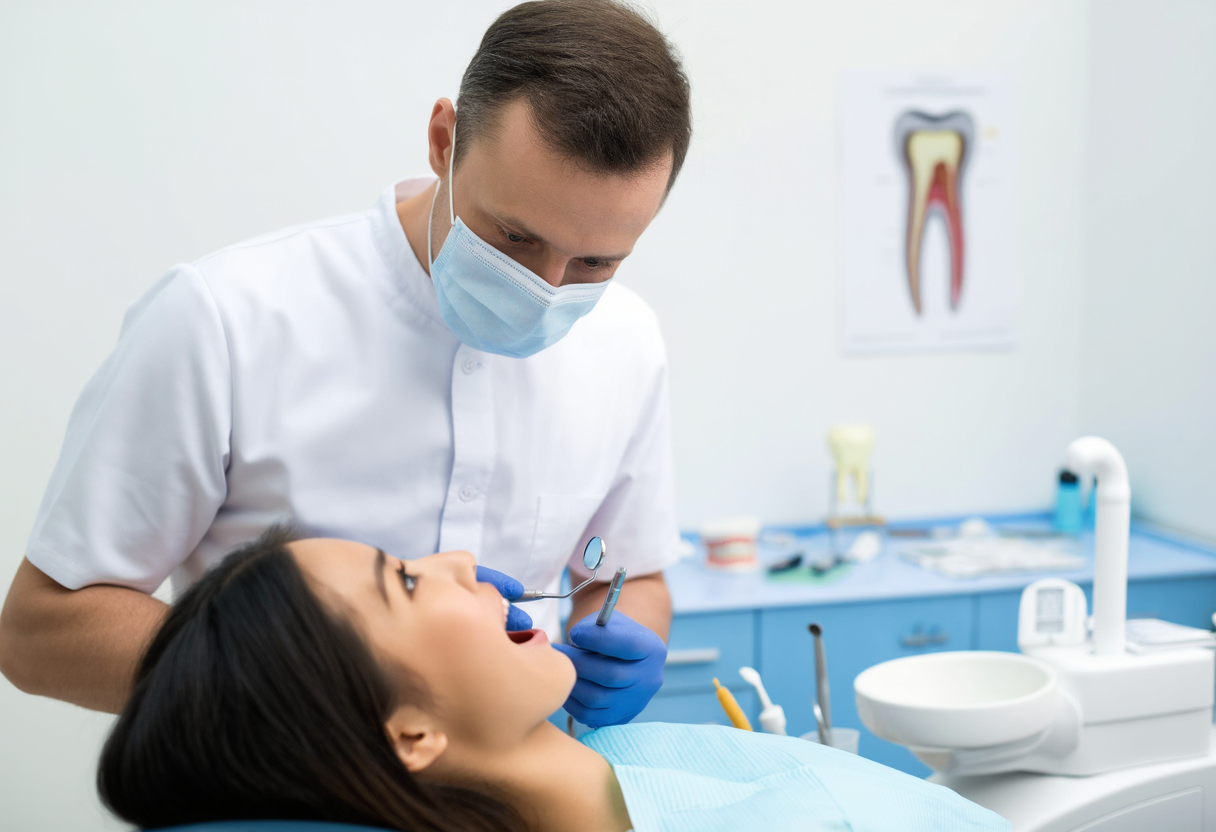
What Causes Cavities: Full Explanation
Introduction to Cavities
Cavities, commonly referred to as tooth decay or dental caries, represent one of the most pervasive dental problems worldwide, impacting over 90% of adults and posing significant risks across all age groups, including children, teens, adults, and seniors. These dental diseases develop when acids produced by bacteria in the oral cavity erode the tooth structure, leading to demineralization and decay. Understanding the underlying mechanisms is crucial for prevention and early intervention, highlighting why cavities remain a major public health concern in modern dentistry.
The Destructive Cycle of Cavity Formation
The primary cause of cavities stems from a continuous cycle involving oral bacteria, plaque buildup, and acid production. Naturally occurring bacteria feed on sugars and starches from food remnants, forming a sticky biofilm called plaque that adheres firmly to tooth enamel, particularly in hard-to-reach areas like the gumline and between teeth. As these bacteria metabolize sugars, they generate acids that gradually dissolve protective minerals in the enamel, resulting in demineralization and the formation of cavities. This process underscores how everyday dietary choices and oral hygiene directly influence dental health.
Key Risk Factors for Cavities
- Dietary habits: High consumption of sugary snacks, sodas, and frequent carbohydrate intake provides a constant fuel source for acid-producing bacteria.
- Poor oral hygiene: Inadequate brushing techniques, skipping flossing, and irregular dental visits contribute to plaque accumulation and bacterial growth.
- Medical conditions: Dry mouth (xerostomia), often caused by medications that reduce saliva flow, increases vulnerability as saliva helps neutralize acids.
- Anatomical factors: Deep grooves in molars, orthodontic braces that trap food, and genetic predispositions affecting enamel strength.
- Access barriers: Limited availability of dental care services can delay preventive measures and early treatment.
Vulnerable Areas in the Mouth
Cavities frequently target specific regions within the oral cavity due to their anatomy and exposure. Molars and premolars are highly susceptible because their chewing surfaces feature deep pits and fissures that trap food particles, fostering bacterial activity. Additionally, cavities often form between teeth where plaque accumulates unnoticed, especially if flossing is neglected. Older adults face an elevated risk of root cavities when gum recession exposes softer, less protected tooth roots. Existing dental work, such as fillings or crowns, may also weaken over time, creating gaps that initiate decay. Recognizing these hotspots helps focus preventive efforts on high-risk zones.
Early Detection and Signs
Early identification of cavities is essential to prevent extensive damage and costly treatments. Initial indicators include chalky white spots on the enamel, signaling mineral loss (demineralization), and heightened sensitivity to sweet, hot, or cold foods. As decay progresses, visible dark spots or discoloration may appear, often accompanied by persistent toothache or sharp pain when biting. Alarmingly, many early-stage cavities present no symptoms at all, making regular dental checkups every six months critical for timely detection. Proactive monitoring allows dentists to address these dental problems before they escalate into severe diseases.
Advanced Diagnostic Techniques
Dentists employ sophisticated methods to diagnose cavities accurately, ensuring no hidden decay goes unnoticed. Beyond visual examinations with specialized tools like dental explorers, bitewing X-rays are used to reveal decay between teeth or beneath existing fillings—areas invisible during routine inspections. Dentists categorize the severity of decay into three stages: enamel-only (surface damage), dentin-penetrating (moderate decay reaching inner layers), and pulp-invading (advanced decay affecting the nerve). This classification determines treatment urgency, as early-stage interventions, such as fluoride remineralization, are simpler and more cost-effective than later procedures like root canals.
Effective Prevention Strategies
- Daily brushing: Brush teeth thoroughly twice a day using fluoride toothpaste and proper circular techniques to cover all surfaces, removing plaque and bacteria.
- Consistent flossing: Floss daily or use interdental cleaners to eliminate plaque between teeth, where brushes can't reach, reducing cavity risk.
- Dietary adjustments: Limit sugary snacks and acidic drinks; instead, choose tooth-friendly foods like cheese, which neutralizes acids, or crunchy vegetables that stimulate saliva production.
- Professional care: Schedule dental cleanings every six months to remove tartar buildup, and consider fluoride treatments to strengthen enamel or dental sealants for molars to protect grooves.
- Lifestyle habits: Stay hydrated to combat dry mouth and avoid tobacco products, which exacerbate dental diseases.
Consequences of Neglecting Cavities
Ignoring cavities can lead to dire outcomes, transforming minor dental problems into serious health issues. Untreated decay progresses relentlessly: initial enamel erosion advances to the inner dentin and eventually penetrates the pulp, causing infections, painful abscesses, and potential tooth loss. Standard treatments evolve from non-invasive options like fluoride applications for early decay to complex procedures such as fillings, crowns, root canals, or extractions for advanced cases. Delaying necessary care not only jeopardizes oral functions like chewing and speech clarity but also impacts facial structure, self-esteem, and overall systemic health. As a proactive step, schedule dental visits at the first sign of trouble to preserve natural teeth and avoid escalating dental diseases.