Dental Health Education for Families: A Starter Guide
Discover the ultimate family dental health guide! Learn essential oral health basics to prevent cavities and gum disease, master proper brushing and flossing techniques, choose the right dental products, and adopt tooth-friendly nutrition. This step-by-step resource covers age-specific care, home prevention tips, and how to build a sustainable routine. Transform your family's smile with practical, evidence-based advice that saves time and money—start your journey to lifelong healthy habits today.
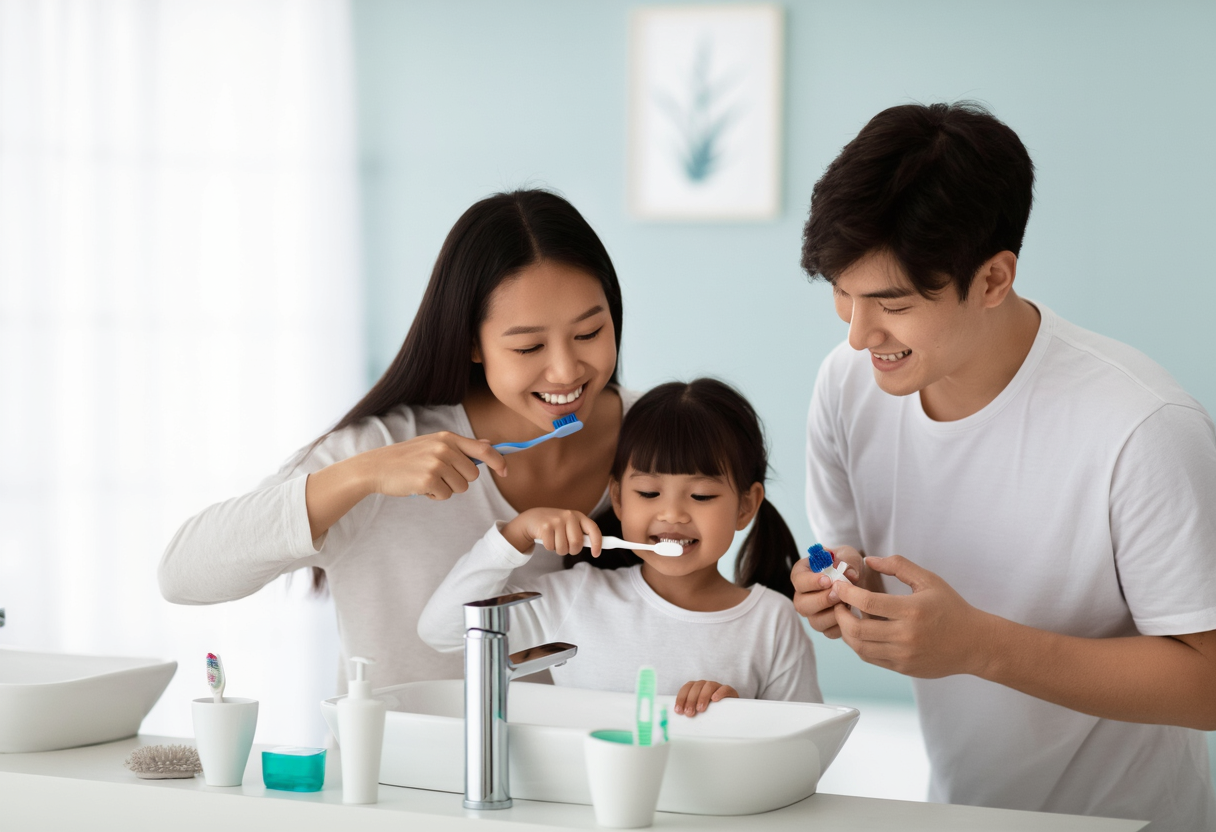
Dental Health Education for Families: A Starter Guide
Welcome to our comprehensive starter guide on dental health education for families! As a parent or caregiver, you play a vital role in ensuring everyone in your household enjoys a bright, healthy smile. This guide will walk you through essential oral health basics, helping you prevent common dental issues like cavities and gum disease while building lifelong healthy habits. By focusing on prevention, you can save time, money, and stress while boosting your family's overall well-being. Let's dive into why these fundamentals matter and how to make them a seamless part of your daily routine for years of confident smiles.
Section 1: Why Oral Health Basics Matter for Every Family
Understanding oral health basics early is key to preventing cavities, gum disease, and costly dental treatments down the road. Simply put, these basics involve keeping teeth clean, gums healthy, and scheduling regular dental check-ups. When families grasp this foundation, they empower themselves to avoid painful problems and maintain confident smiles. Daily habits have a profound impact on long-term dental health for both kids and adults; for instance, consistent brushing and flossing prevent plaque buildup, which can lead to serious issues if ignored.
Highlighting the link between oral health, confidence, eating, speech, and overall wellness reveals why it's so crucial. Healthy teeth enable clear speech, pain-free eating of nutritious foods, and a confident smile that boosts self-esteem. Moreover, poor oral hygiene has been tied to systemic problems like heart disease or diabetes. Thus, prioritizing oral health basics supports a happier, healthier life for every family member. Introducing a family-focused goal shifts the emphasis from treatment to prevention—proactive care stops problems before they start, fostering a culture of wellness.
Section 2: Proper Brushing Techniques Every Family Member Should Know
Teaching the correct brushing method establishes a solid foundation for daily oral care, preventing decay and promoting gum health. Mastering this technique ensures that every brush session effectively removes harmful bacteria, setting the stage for lifelong dental success. Here's how to brush teeth properly:
- Hold the brush at a 45-degree angle to the gums to maximize plaque removal.
- Use gentle pressure to avoid enamel damage—think of it as massaging, not scrubbing.
- Brush for a full two minutes twice a day, covering all surfaces (front, back, and chewing areas) with small circular motions.
- Optimal times are after breakfast and before bed to tackle overnight bacteria and prevent decay during sleep.
Compare manual vs. electric toothbrushes to help families choose the right option. Manual brushes are affordable and portable, but electric ones often provide better plaque removal with oscillating heads, making them ideal for kids or those with dexterity challenges. Consider factors like age and budget; for instance, children might start with manual brushes before transitioning to electric models as they grow. Point out common brushing mistakes, such as brushing too hard, rushing, or skipping the gumline. Aggressive scrubbing can erode enamel, while quick sessions miss hidden plaque—correct these by using soft-bristled brushes and setting timers.
Section 3: How to Floss Correctly and Improve Daily Oral Cleaning Tips
Flossing and complementary techniques are essential for reaching plaque in areas brushing can't access, enhancing overall oral hygiene. This step-by-step guidance makes flossing approachable for all ages, turning it into a habit that prevents gum disease and tooth decay. Explain how to floss correctly for beginners, kids, teens, and adults:
- Start with about 18 inches of floss, winding most around your middle fingers and guiding it gently between teeth with a back-and-forth motion.
- Curve it into a C-shape around each tooth, sliding under the gumline without snapping to avoid injury.
- For kids, use fun, colorful flossers to make it engaging; teens and adults should focus on consistency to avoid plaque buildup.
Share alternatives like floss picks, water flossers, and interdental brushes for those who find traditional flossing tricky. Floss picks are great for on-the-go families; water flossers use streams to clean deep between teeth; interdental brushes suit tight spaces or braces. Describe when to floss and how to integrate it into a realistic family routine—once daily before bedtime to remove debris. Correct common myths, such as the idea that flossing only matters when food gets stuck. Plaque forms constantly, and skipping flossing allows bacteria to harden into tartar, leading to gum disease.
Section 4: Choosing the Right Dental Products for Kids and Adults
Selecting safe, effective products based on age and needs empowers families to achieve their oral health goals efficiently. With so many options available, knowing what to look for ensures you invest in tools that work without overspending. Explain what to look for in toothpaste:
- Fluoride benefits: Strengthens enamel and fights cavities—choose ADA-approved brands for all ages.
- Sensitivity formulas: Opt for those with potassium nitrate to soothe nerves, especially for adults.
- Kids should use pea-sized amounts starting at age two, while adults can select whitening or anti-gingivitis variants.
Review how to choose the best toothbrush size, bristle type, and handle design for each age group. Toddlers need small-headed brushes with soft bristles and chunky handles; older kids and teens can use medium sizes with soft or medium bristles; adults benefit from ergonomic handles and bristle firmness based on gum sensitivity. Discuss mouthwash, tongue cleaners, sealants, and other supportive products. Alcohol-free mouthwash freshens breath and reduces bacteria; tongue cleaners remove odor-causing buildup; dental sealants protect children's molars. Offer practical shopping tips to avoid overpaying—stick to trusted brands with ADA seals, buy in bulk during sales, and focus on essentials like fluoride toothpaste.
Section 5: Nutrition and Daily Habits That Support Healthy Teeth and Gums
Food choices and lifestyle habits directly influence cavity prevention and gum health, making them integral to oral wellness. By adopting tooth-friendly practices, families can reduce risks and enjoy stronger smiles. Identify tooth-friendly foods and drinks:
- Water rinses away acids and keeps the mouth hydrated.
- Dairy provides calcium for strong enamel.
- Crunchy produce like apples stimulates saliva to neutralize bacteria.
- Low-sugar snacks such as cheese or nuts minimize decay risks.
Explain how sugar, acidic drinks, frequent snacking, and sticky foods raise cavity risk. Sugary items feed bacteria that produce acid, eroding enamel; acidic drinks like soda worsen this. Frequent snacking prolongs acid attacks, while sticky foods cling to teeth—limit these by choosing whole foods and drinking water after consumption. Address harmful habits like thumb sucking, teeth grinding, smoking, and vaping. Thumb sucking can misalign teeth; grinding wears down enamel; smoking causes gum disease—combat these with positive alternatives like stress-relief toys. Share realistic family strategies for healthier routines, such as packing lunches with veggies and establishing a no-sugar rule before bed.
Section 6: Preventing Cavities, Gingivitis, and Early Gum Disease at Home
Practical home care prevents common oral issues from worsening, saving families from pain and expense. By recognizing early signs and acting promptly, you can maintain healthy smiles with simple daily steps. Explain early signs of cavities, gingivitis, and bad breath that families shouldn't ignore:
- Cavities may show as white spots or tooth sensitivity.
- Gingivitis causes red, swollen gums that bleed easily.
- Bad breath often signals bacterial buildup.
Outline gingivitis prevention and simple periodontal disease prevention through daily care. Brush and floss diligently to remove plaque before it hardens; rinse with antibacterial mouthwash and massage gums gently. Provide home care steps for reducing plaque buildup, gum irritation, and enamel damage—use fluoride toothpaste, floss daily, and avoid hard brushing. Clarify when home care suffices versus when symptoms require professional attention. Minor issues like sensitivity often resolve with improved routines, but persistent pain or swelling demands a dentist visit—encourage annual check-ups for early detection.
Section 7: Oral Health by Age: From Babies to Seniors in One Family
Tailoring care to each age group ensures every household member gets appropriate support, promoting lifelong dental health. Cover infant and toddler oral care:
- Clean gums with a soft cloth after feedings to prevent bacteria.
- Once teeth erupt, use a baby toothbrush with water.
- For teething discomfort, offer chilled teethers and avoid sugary pacifiers.
Explain children's dental care: Baby teeth fall out between ages 6-12 but are crucial for speech—brush twice daily with fluoride toothpaste and motivate kids with fun timers or songs. Address teen concerns like braces, sports mouthguards, wisdom teeth, and sugary drinks. Braces require special flossers; mouthguards protect during sports; limit soda to prevent decay. Review adult and senior oral health issues such as gum recession, dry mouth, and restorative care. Adults face recession from aging—use soft brushes; seniors often experience dry mouth—stay hydrated and use saliva substitutes.
Section 8: Why Regular Dental Visits Are Essential for Family Preventive Care
Routine appointments strengthen home care by catching issues early and providing professional cleanings, turning oral health basics into a foolproof plan. Explain how often families should visit the dentist:
- Most people need check-ups every six months.
- High-risk individuals (e.g., with gum disease or diabetes) may require quarterly visits.
- Kids should start by age one; seniors benefit from more frequent monitoring.
Describe what happens during exams, cleanings, X-rays, fluoride treatments, and sealant visits. Exams check for decay and disease; cleanings remove tartar; X-rays spot hidden issues—these services are quick and painless. Help parents prepare children for dental appointments to reduce fear and build confidence—talk positively, role-play, or bring comfort items. Discuss how to find a family dentist: Look for pediatric-friendly offices, ask about insurance and emergency services, and ensure they support home routines for a collaborative effort.
Section 9: Building a Simple Family Oral Health Plan That Actually Sticks
Transforming education into an easy, repeatable routine fits busy lives and ensures long-term success. With practical tools, families can make oral health basics a joyful, sustainable habit. Create a morning and bedtime checklist:
- Morning: Brush for two minutes, rinse with water.
- Bedtime: Floss, brush, use mouthwash.
Post this checklist in the bathroom as a visual cue for a quick family ritual. Suggest fun ways to teach kids, such as reward charts, timers, songs, or visual guides—use sticker charts for consistent brushing and set a two-minute timer with a fun song. Recommend tracking tools for dental visits, toothbrush replacement, and symptom monitoring: Mark appointments on a shared calendar, replace toothbrushes every 3-4 months, and log changes in a simple journal. End with a family action plan to commit to daily routines, regular dentist visits, and healthy eating. Celebrate small wins like cavity-free check-ups to reinforce positivity and ensure every family member enjoys a lifetime of healthy smiles starting today.