Basic Structure of a Tooth: Simple Guide for Beginners
Dive into the fascinating world of tooth anatomy with this beginner-friendly guide! You'll learn about each essential layer—from the ultra-hard enamel that shields against decay to the sensitive dentin, vital pulp, and supportive roots and gums. Discover how different teeth types are perfectly designed for biting, tearing, and grinding, and why common issues like cavities or sensitivity stem from specific structures. Plus, get actionable daily habits to protect your entire smile. Empower yourself with oral health basics to prevent problems and maintain a confident, healthy grin. Start your journey to better dental care today!
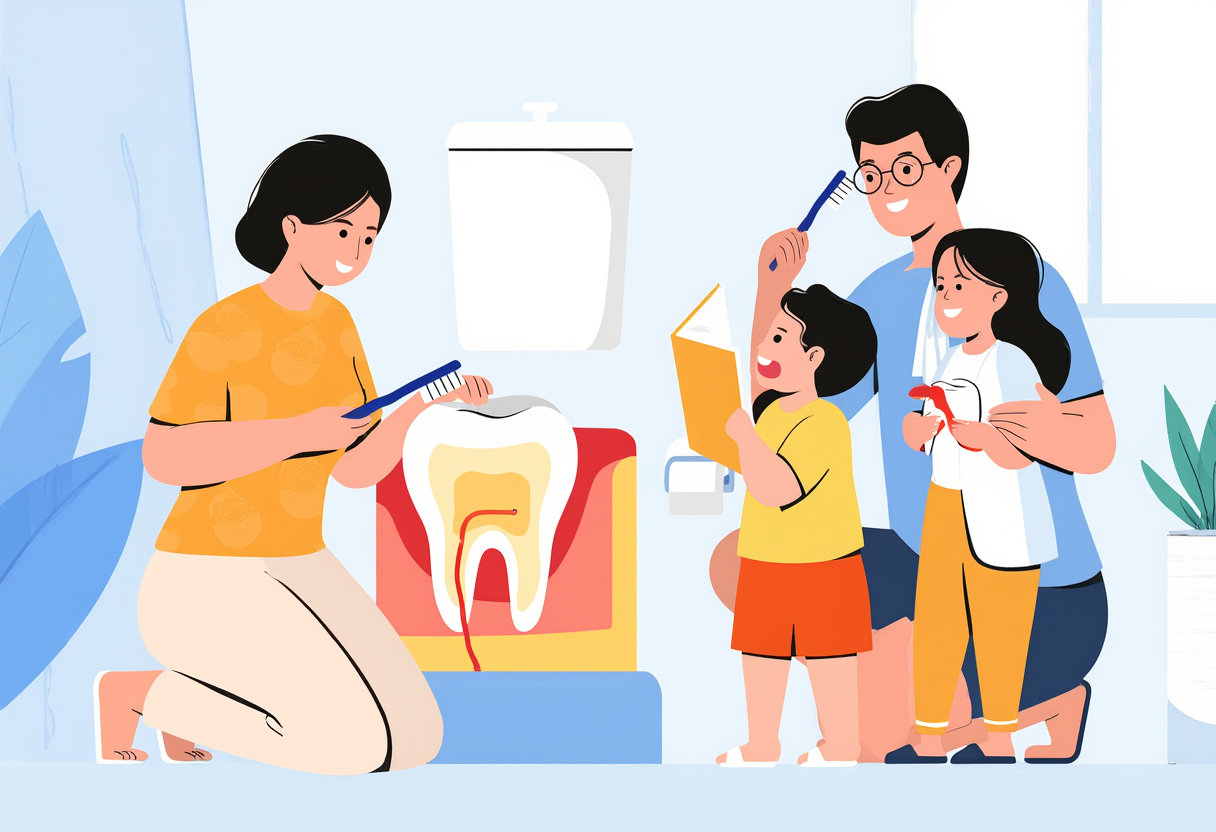
Basic Structure of a Tooth: Simple Guide for Beginners
Welcome to this simple guide on the basic structure of a tooth! If you're new to oral health basics, understanding how your teeth are built can make a huge difference in preventing common problems like cavities and gum disease. This knowledge empowers you to take charge of your smile, ensuring you know exactly why daily habits matter for long-term health and confidence.
In this beginner-friendly overview, we'll define tooth anatomy in easy terms: teeth aren't just white objects in your mouth—they're complex, multi-layered structures that work together to perform essential functions like chewing food, helping you speak clearly, and even supporting your facial shape. Learning about this structure shows why consistent care is crucial for preventing decay and infections, setting the foundation for a lifetime of strong oral health.
Enamel: The Protective Outer Layer That Prevents Cavities
Enamel is the hardest substance in your entire body, acting as a tough, white coating that covers the visible part of your tooth. Its primary job is to shield your teeth from harmful acids, bacteria, and daily wear from activities like eating and brushing. Without this vital defense, your teeth would become vulnerable to decay almost instantly, leading to pain and costly treatments.
Common causes of enamel erosion include frequent sugary snacks, acidic drinks like soda, or even aggressive brushing techniques. However, you can easily protect it with a few smart steps focused on oral health basics. Consistent protection helps maintain enamel strength and prevents cavities, ensuring your smile stays resilient.
- Use fluoride toothpaste daily to strengthen enamel and rebuild its defenses.
- Adopt gentle brushing habits, such as using soft circular motions with a soft-bristled brush to avoid abrasion.
- Avoid sipping acidic beverages throughout the day to minimize erosion risk.
Dentin: The Layer Beneath Enamel That Triggers Tooth Sensitivity
Beneath the enamel lies dentin, a yellowish layer that provides structural support to the tooth's crown. It's less hard than enamel but plays a key role in tooth strength and sensitivity. Dentin contains tiny tubules that connect directly to the nerves inside your tooth, which is why you might feel sharp pain when enamel wears down or if damage occurs.
When dentin becomes exposed—often due to decay, teeth grinding, or gum recession—it can lead to heightened sensitivity to hot, cold, or sweet foods. To reduce discomfort at home and protect this critical layer, follow these practical tips. Protecting dentin is vital for overall tooth health and reinforces the importance of oral health basics in your daily routine.
- Try using desensitizing toothpaste to block nerve pathways and ease pain.
- Avoid extreme temperatures in your diet, such as very hot or cold foods, to prevent triggering sensitivity.
- Consider wearing a custom mouthguard at night if you grind your teeth, reducing stress on dentin.
Pulp: The Living Center of a Tooth
At the very core of each tooth is the pulp, a soft tissue housed in the pulp chamber and extending into root canals. This living center contains nerves and blood vessels that nourish the tooth during development and help detect pain or damage. It's what keeps your tooth "alive" and responsive, allowing you to sense issues early.
Warning signs of pulp inflammation include severe, throbbing pain, lingering sensitivity, or swelling around the tooth. If you experience these symptoms, it's crucial to visit a dentist quickly to prevent infection, which could lead to more serious issues like abscesses or tooth loss. Ignoring pulp problems can undermine your oral health basics, so early intervention is key to preserving your natural teeth.
Root, Cementum, and Supporting Tissues That Hold Teeth in Place
A tooth isn't just about the visible crown; its root anchors it firmly to your jawbone, providing stability for everyday functions. Covering the root is cementum, a bony layer that protects the root surface and helps attach the tooth to surrounding tissues. This interconnected support system ensures your teeth stay securely in place, even during vigorous chewing.
Key structures include the periodontal ligament, which acts like a shock absorber between the tooth and bone; the gums (gingiva), which seal out bacteria; and the alveolar bone, which holds everything in position. Healthy gums are essential for tooth stability, as gum disease can lead to loosening or loss of teeth over time. This highlights why comprehensive care—focusing on all aspects of your teeth—is a cornerstone of oral health basics.
Types of Teeth and How Their Structure Matches Their Job
Different teeth have unique shapes because each type is designed for specific tasks in your mouth, making your bite efficient and effective. Incisors at the front are sharp for biting into food; canines are pointed for tearing; premolars have flat surfaces for crushing; and molars at the back are broad for grinding. This diversity ensures smooth chewing and digestion, supporting overall health.
For beginners, it's helpful to know that baby teeth (primary teeth) serve as placeholders for permanent ones, which erupt later in life. Proper alignment of all teeth supports not only chewing but also clear speech and balanced wear, preventing issues like uneven pressure or jaw pain. Understanding these variations reinforces why each tooth's structure is tailored to its role, emphasizing the practical side of oral health basics.
Common Oral Problems Explained by Tooth Anatomy
Many dental issues become clearer when you know which part of the tooth is affected, helping you identify and address problems faster. Cavities typically start in the enamel as tiny holes caused by acids from bacteria and then spread into dentin and pulp if untreated, leading to pain and infection. This knowledge empowers you to take preventive action early.
Other common issues include exposed roots from gum recession, which cause sensitivity and pain; cracked teeth or grinding (bruxism) that damage enamel and dentin, leading to fractures; and bleeding gums signaling problems in supporting tissues, like inflammation from plaque buildup. If you notice persistent pain, swelling, or visible damage, it's a sign to see a dentist promptly to address these structural concerns before they worsen, reinforcing the value of oral health basics in daily life.
Oral Health Basics: Daily Habits That Protect Every Part of a Tooth
Simple daily routines can safeguard all tooth layers—enamel, dentin, pulp, roots, and gums—throughout your life, ensuring a healthy, vibrant smile. By incorporating these habits, you build a strong defense against decay, sensitivity, and infections, making oral health basics a seamless part of your routine.
- Brush twice daily with fluoride toothpaste and a soft-bristled brush to gently clean surfaces without harming enamel.
- Floss daily to remove plaque between teeth and protect gums from disease.
- Use an antimicrobial mouthwash to reduce bacteria and maintain overall oral hygiene.
Diet changes are equally important: limit sugary snacks and drinks that erode enamel, and opt for water or crunchy veggies like carrots that stimulate saliva for natural protection. Regular dental cleanings every six months help catch issues early, such as enamel wear or gum inflammation. To recap the most important oral health basics: understand your tooth structure, practice consistent care, and seek professional help when needed. Start today for a healthier, more confident smile that lasts a lifetime!