How Plaque and Tartar Form on Teeth
Understanding how plaque and tartar form on your teeth is essential for maintaining optimal oral health basics. Plaque, a sticky biofilm, starts as a colorless film but can harden into tartar if neglected, leading to cavities, gum disease, and unsightly stains. This comprehensive guide breaks down the step-by-step formation process, key risk factors like sugary snacks and poor brushing habits, early warning signs to watch for, and serious consequences such as enamel erosion and periodontal issues. Learn practical prevention strategies, including daily brushing techniques and professional treatments, to protect your smile and keep your teeth healthy. Empower yourself with actionable tips to avoid buildup and ensure lifelong dental wellness.
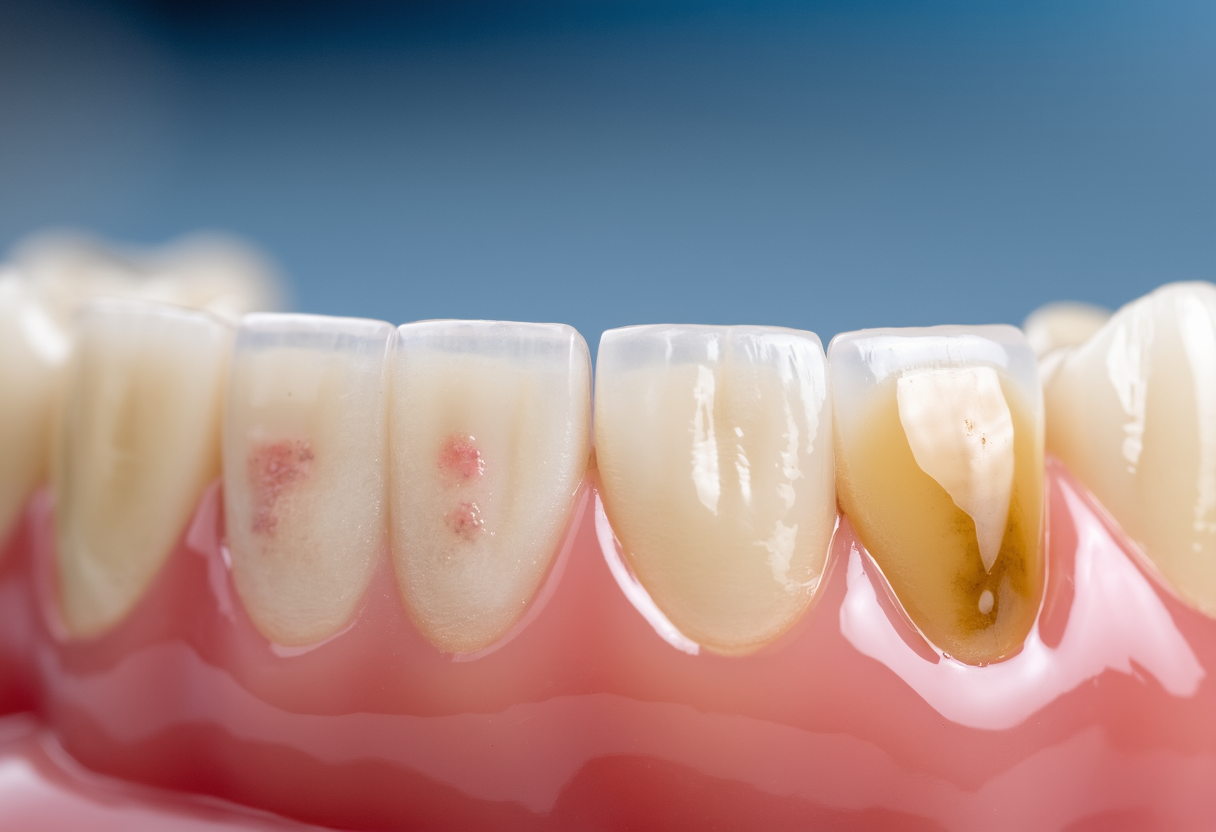
How Plaque and Tartar Form on Teeth: Mastering Oral Health Basics
Understanding how plaque and tartar accumulate on your teeth is a fundamental aspect of oral health basics. These two common issues not only detract from your smile with visible buildup but also pose significant threats to your overall dental well-being. Plaque, a soft and sticky substance, can harden into stubborn tartar if ignored, requiring distinct strategies for effective prevention and management to maintain a healthy mouth.
What is Dental Plaque and How Does it Develop?
Dental plaque is a colorless, sticky biofilm primarily composed of bacteria that coats your tooth surfaces. This film forms continuously throughout the day as a combination of saliva, food debris, and bacteria adheres to tooth enamel. Plaque tends to accumulate in hard-to-reach areas like the gumline and between teeth, where improper brushing may miss it, leading to issues such as bad breath, cavities, and gum irritation—key elements in grasping oral health basics for long-term prevention.
The Step-by-Step Process of Plaque Formation
- Acquired pellicle development: Within minutes after cleaning, a thin protein film forms on teeth, serving as a base.
- Bacterial attachment: Oral bacteria latch onto this film within hours, initiating buildup.
- Acid production: When sugary or starchy foods are consumed, these bacteria thrive and release acids that erode enamel.
- Maturation: If brushing is skipped, plaque matures rapidly, spreading and escalating from a minor nuisance to a major dental concern.
Transformation to Tartar: Hardening and Consequences
Over time, minerals from saliva harden residual plaque, calcifying it into tartar. This can be classified into two types:
- Supragingival tartar: Found above the gumline and visible as yellowish deposits.
- Subgingival tartar: Located below the gumline, often harder to detect and more damaging.
The rough surface of tartar attracts additional plaque and bacteria. Unlike soft plaque, tartar cannot be removed by brushing alone and demands professional dental intervention to prevent escalating oral health issues.
Factors That Accelerate Plaque and Tartar Accumulation
Several key factors speed up the buildup of plaque and tartar, including:
- Dietary habits: Frequent snacking on sugary or starchy foods fuels bacterial growth.
- Oral hygiene neglect: Inconsistent brushing and flossing allow buildup to intensify.
- Additional risks: Conditions like dry mouth, smoking, braces, or crowded teeth amplify the process.
Neglecting regular dental cleanings leaves deposits untouched, significantly heightening risks for gum disease and tooth decay.
Recognizing Early Signs of Buildup
Spotting early indicators is crucial for timely action:
- A fuzzy sensation on teeth or a visible film near the gumline signals plaque.
- Yellow or brown deposits that resist brushing indicate tartar formation.
- Red, swollen, or bleeding gums during oral care point to irritation.
- Persistent bad breath or an unpleasant taste often signals underlying bacterial activity, emphasizing the need for prompt intervention in oral health basics.
Consequences of Neglecting Plaque and Tartar Removal
Failing to address buildup can lead to severe outcomes:
Plaque acids weaken tooth enamel, causing cavities and decay—critical breaches of oral health basics. Tartar accumulation heightens the risk of gingivitis and periodontal disease, which may progress to gum recession, bone loss, and loose teeth. Additionally, cosmetic effects like stains and rough surfaces make your smile appear unhealthy and neglected, underscoring the importance of proactive care.
Professional Treatment Options for Removal
Dentists employ specialized methods to tackle tartar:
- Routine cleanings: Scaling procedures use instruments to effectively remove deposits.
- Deep cleanings: For advanced gum disease, root planing smooths tooth roots.
- Follow-up care: After removal, teeth are polished, and personalized at-home strategies are recommended to prevent recurrence.
Regular check-ups are vital for monitoring and maintaining overall oral health, helping to halt future buildup before it starts.
Daily Habits for Effective Prevention
Adopt these key practices to prevent plaque and tartar:
- Brush twice daily: Use fluoride toothpaste with proper technique to cover all surfaces.
- Clean between teeth: Floss or use interdental brushes daily to reach hidden plaque areas.
- Diet management: Reduce sugar intake and drink ample water to boost saliva flow, your body's natural cleanser.
- Professional guidance: Schedule regular dental exams for early detection and tailored advice.
Committing to these oral health basics ensures a healthier smile and minimizes risks from bacterial buildup.