How Smoking Ruins Your Teeth and Gums
Discover the shocking ways smoking undermines your oral health basics, from stained teeth and gum disease to increased risks of oral cancer. This guide reveals how tobacco's chemicals cripple your smile, conceal early warning signs, and slow healing. Learn practical steps to protect your teeth and gums, and why quitting is crucial for a healthier future—because ignoring these risks could cost you more than just a bright smile.
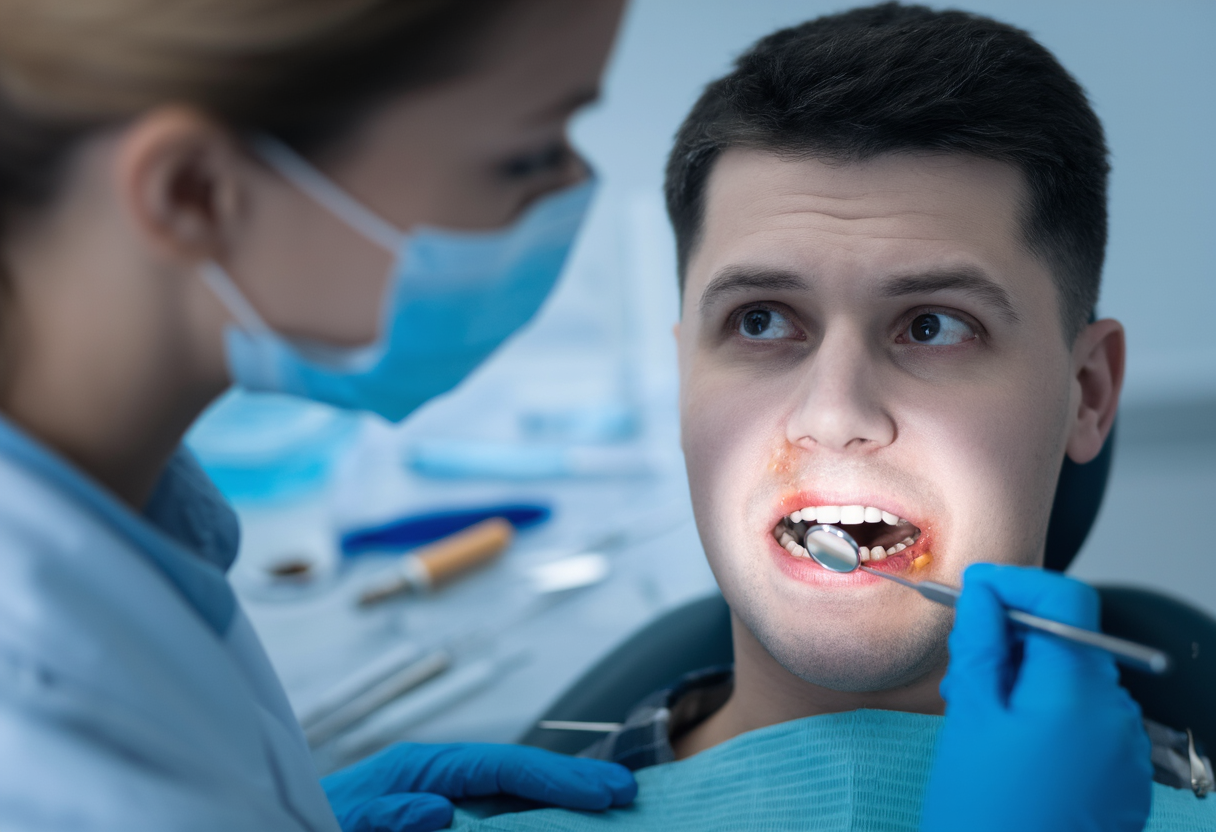
How Smoking Ruins Your Teeth and Gums
Smoking is often linked to lung cancer and heart disease, but its devastating impact on your teeth and gums is equally alarming and frequently overlooked. It affects millions who underestimate how it erodes oral health basics from the very first puff, leading to chronic issues like discoloration, infection, and tooth loss.
Why Smoking Is a Major Threat to Oral Health Basics
The core issue stems from tobacco's harmful chemicals—such as nicotine and tar—which infiltrate every part of your mouth, damaging enamel, gum tissue, saliva production, and natural healing abilities. This dual assault not only discolors your smile but also sets the stage for long-term problems like chronic gum disease, tooth loss, and persistent bad breath. Moreover, early awareness is crucial; understanding these fundamental oral health basics allows for preventative actions before irreversible harm occurs. Importantly, tobacco compounds alter the oral environment by reducing oxygen flow and fostering bacterial growth, making smokers more susceptible to infections and decay. This underscores how smoking isn't just a cosmetic problem—it's a systemic threat to your entire dental well-being.
"Ignoring smoking's oral health risks can lead to silent progression of diseases, emphasizing why proactive care is essential for maintaining oral health basics." – Dental Expert Insight
How Smoking Stains Teeth and Weakens Everyday Oral Health
One of the most visible signs of smoking is unsightly yellow or brown stains on teeth, caused by tar and nicotine adhering to enamel surfaces over time. Yet, the damage extends far beyond mere discoloration. Smoking accelerates plaque and tartar buildup, leaving teeth duller and harder to clean effectively with regular brushing. Cosmetic whitening treatments often fail as long-term solutions because they don't address underlying issues, such as weakened enamel and persistent bacterial films. Additionally, daily oral routines become compromised due to chemical residues, making it harder for smokers to maintain freshness despite rigorous efforts.
- Stained teeth from tar buildup, causing yellowing or brown patches that resist standard cleaning.
- Increased plaque accumulation, requiring more frequent dental visits to prevent decay.
- Compromised brushing effectiveness, as tobacco residues create a stubborn film that dulls enamel and invites bacterial growth.
Why Smoking Raises the Risk of Gum Disease
Smoking stands as a primary culprit in escalating gum disease risks, including gingivitis and periodontitis, because it impairs the gums' natural defenses. Nicotine constricts blood vessels, limiting essential oxygen and nutrients to gum tissues and masking early symptoms like bleeding that would otherwise signal trouble. If unchecked, this progression can lead to severe inflammation, infections, gum recession, and loose teeth or tooth loss. For instance, studies show smokers are twice as likely to develop gum disease compared to non-smokers, highlighting the urgency of addressing this aspect of oral health basics.
The Hidden Link Between Smoking, Bad Breath, and Dry Mouth
Tobacco smoke leaves lingering odors in the mouth and throat, creating chronic bad breath that mints and mouthwash can't fully mask. Similarly, smoking reduces saliva production, leading to dry mouth—a condition that fosters harmful bacterial growth and heightens discomfort. This imbalance irritates gums and increases cavity risks, as less saliva means less natural protection against decay. Smokers may also notice diminished taste sensations and a constant lack of oral freshness, compounding daily frustrations. Dry mouth is particularly concerning because it disrupts oral health basics, allowing acids to erode enamel unchecked.
How Smoking Slows Healing After Dental Treatment
Nicotine's vasoconstrictive effects narrow blood vessels, delaying the healing process after procedures like cleanings, extractions, implants, or gum surgeries. Consequently, smokers face higher infection rates post-surgery, and treatments such as dental implants often fail more frequently due to poor tissue recovery. Dentists routinely advise quitting before and after interventions to improve outcomes and minimize complications, emphasizing that this step is vital for preserving oral health basics during recovery phases.
Smoking and Oral Cancer: The Most Serious Oral Health Risk
Beyond tooth and gum damage, smoking dramatically increases the likelihood of oral cancer, affecting areas like the lips, tongue, cheeks, and throat. Warning signs include persistent sores, lumps, unexplained pain, or white patches that don't heal—symptoms that demand immediate attention. Alarmingly, combining smoking with alcohol consumption multiplies this risk, making regular dental exams and oral cancer screenings vital for early detection and survival. According to the American Cancer Society, smokers face a 5-10 times higher risk of oral cancer, underscoring why this threat is a critical element of oral health basics.
Early Warning Signs Your Teeth and Gums Are Being Damaged by Smoking
Many smokers ignore subtle symptoms until severe problems emerge, so recognizing early indicators is essential. Key signs include:
- Bleeding gums or gum recession, indicating inflammation and potential disease.
- Tooth sensitivity or loose teeth, signaling enamel erosion and structural weakness.
- Persistent bad breath, stained teeth, and frequent dry mouth, which exacerbate discomfort and decay risks.
- Mouth sores, pain while chewing, or changes in bite alignment, all red flags that warrant prompt dental care to prevent minor issues from becoming permanent damage.
How to Protect Your Teeth and Gums if You Smoke
While quitting smoking is the ultimate solution for preserving oral health basics, smokers can still mitigate harm through proactive steps. Start by discussing tobacco cessation strategies with a healthcare provider and reinforcing daily routines, such as brushing twice daily with fluoride toothpaste, flossing, and using antimicrobial mouthwash. Schedule more frequent dental cleanings and periodontal checkups to monitor and address emerging issues. Additionally, adopt habits like staying hydrated to combat dry mouth and avoiding tobacco-alcohol combinations. Ultimately, taking these practical actions can help reverse some damage and prevent further deterioration, empowering you to reclaim a healthier smile. For support, consult resources like the CDC's quitline for tailored advice on oral care.