How Often Should You Get a Dental Checkup
Discover the ideal frequency for dental checkups to master your oral health basics and prevent costly issues. This guide covers expert recommendations, personal risk factors, life stage adjustments, and daily habits. Learn how to tailor your schedule for a healthier smile, with insights on symptoms that demand immediate attention. Take control of your dental care today!
How Often Should You Get a Dental Checkup
Have you ever paused to consider how a simple dental checkup could safeguard your smile and overall well-being? Understanding the optimal frequency for these visits is key to mastering oral health basics, as it empowers you to prevent minor issues from escalating into major problems before they cause pain or expense. This comprehensive guide delves into expert recommendations, personal factors, and daily habits to help you build a proactive dental care plan tailored to your unique needs, ensuring you maintain a strong foundation for lifelong oral wellness.
Why Regular Dental Checkups Are Essential
Regular dental checkups serve as the cornerstone of preventive care, enabling you to catch problems early and avoid unnecessary discomfort or financial burdens. By aligning with oral health basics, these visits help maintain a robust foundation for your teeth and gums. Specifically, routine exams play a vital role in cavity prevention by identifying early decay that might otherwise go unnoticed, such as subtle enamel erosion or initial signs of gum disease.
Investing in preventive dental care through checkups can significantly cut long-term costs by addressing concerns like small cavities or inflammation early, avoiding complex procedures like root canals.
Moreover, professional cleanings are essential because they remove stubborn plaque and tartar buildup that regular brushing and flossing often miss. This supports gum health and reduces the risk of gingivitis, a common inflammatory condition. Importantly, these appointments allow dentists to spot early signs of enamel wear or oral cancer, when treatment is simpler, more effective, and less invasive—highlighting the critical value of consistent visits.
Recommended Checkup Frequency Guidelines
Now that we've covered why regular visits matter, let's address the core question: how often should you get a dental checkup? The general guideline for most people is every six months, as dentists recommend to balance prevention with practicality. This frequency ensures minor issues like cavities or early gum disease are caught promptly, preventing them from worsening.
- Low-risk individuals, such as those with excellent home care habits, may only need annual visits to maintain optimal oral health basics.
- Higher-risk patients, including those prone to frequent cavities or with existing conditions like dry mouth, should schedule checkups every three to four months for closer monitoring.
- Understanding the types of visits is crucial: standard exams involve teeth and gum inspections, while cleanings focus on plaque removal, and periodontal maintenance targets gum disease with more frequent appointments.
Personal Factors Influencing Your Schedule
Your ideal dental checkup frequency isn't one-size-fits-all; it's shaped by personal elements like age, health history, and lifestyle. Key high-risk factors that may necessitate more frequent visits include:
- Frequent cavities or existing gum disease, which accelerate decay and require vigilant oversight.
- Conditions like diabetes or dry mouth that affect oral health basics and increase infection risks.
- Lifestyle choices such as smoking, which heightens gum sensitivity and decay susceptibility.
Other influencers include pregnancy, which alters gum sensitivity due to hormonal changes, and ongoing treatments like orthodontics or dental implants that demand regular monitoring. Poor home care habits, such as inconsistent brushing, also call for more professional oversight to reinforce daily routines. Ultimately, consult your dentist for a personalized schedule based on your unique risks and symptoms.
Adjusting for Different Life Stages
Dental care needs evolve across life stages, making it essential to adapt checkup frequency. For children, early visits—starting around age one or when the first tooth emerges—support healthy development by establishing oral health basics like cavity prevention and proper bite alignment. Adults benefit from routine six-month checkups to maintain clean teeth, healthy gums, and effective cavity control.
In contrast, seniors face challenges like gum recession, tooth wear, or medication-induced dry mouth, often requiring checkups every three to four months, especially with dentures. Notably, family dental habits play a pivotal role; instilling regular visits in kids sets lifelong precedents, while adults modeling good practices sustain healthy routines across generations.
What to Expect During a Dental Visit
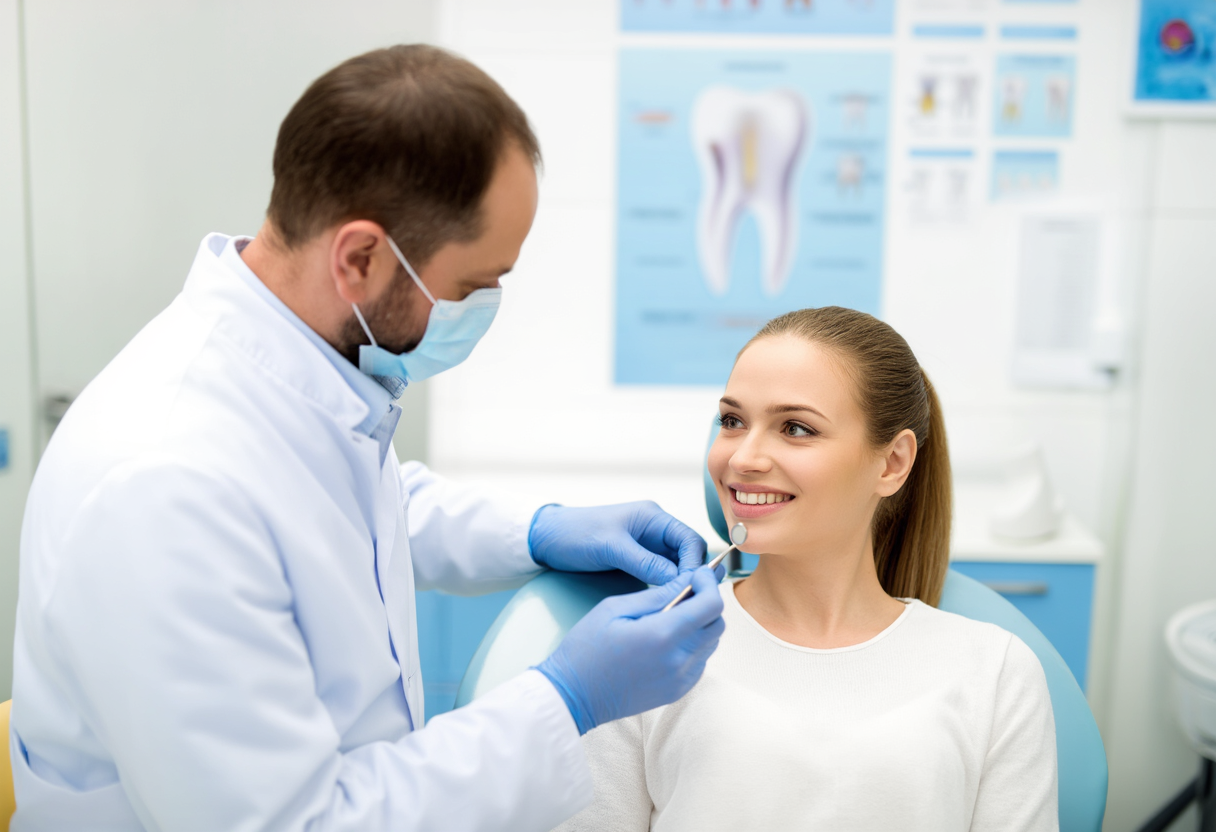
Demystifying the dental checkup process can alleviate anxiety and highlight its value. A typical visit begins with a comprehensive exam of your teeth, gums, bite, soft tissues, and existing dental work to assess overall oral health basics. X-rays are often included to reveal hidden decay, bone loss, or impacted teeth invisible to the naked eye.
| Visit Component | Purpose |
|---|---|
| Professional Cleaning | Removes plaque, scales tartar, polishes teeth, and applies fluoride to strengthen enamel. |
| Personalized Advice | Includes tips on brushing techniques, flossing methods, and mouthwash use to empower daily care. |
This educative aspect reinforces habits between visits, ensuring you stay proactive. On a related note, certain symptoms should prompt earlier visits, such as persistent tooth pain, unexplained bleeding gums, or swelling, which could indicate infections. Other red flags include sensitivity to hot or cold, loose teeth, chronic bad breath, mouth sores, jaw pain, cracked teeth, or bite changes—acting quickly prevents escalation.
Daily Habits for Optimal Oral Health
Between professional checkups, daily habits are your first line of defense in maintaining oral health basics. Start with brushing twice daily using fluoride toothpaste and flossing once to remove debris and bacteria. Your diet also plays a critical role; limit sugary snacks and acidic drinks to protect enamel while incorporating calcium-rich foods like dairy or leafy greens for stronger teeth.
- Smart product choices, such as electric toothbrushes or interdental cleaners, enhance cleaning efficiency and prevent buildup.
- Hydrate regularly to wash away food particles and replace toothbrush heads every three months for optimal hygiene.
These simple steps reduce preventable issues like cavities and gingivitis, keeping your smile bright and minimizing the need for frequent interventions.
Building a Long-Term Dental Care Plan
Finally, crafting a sustainable dental care plan involves tailoring your checkup schedule to your risk level, budget, and goals. Begin by reviewing your dental history and current symptoms with your dentist to define a personalized approach. Consider factors like insurance coverage, which may offer preventive benefits influencing visit timing.
Tracking oral health changes and adhering to routine appointments—instead of waiting for pain—ensures consistent care and long-term savings.
In summary, while most people benefit from dental checkups every six months, the best results come from customizing your plan. By prioritizing oral health basics through regular visits and daily practices, you safeguard your smile for years to come, empowering yourself with knowledge and prevention.