What to Expect During a Professional Dental Cleaning
Discover the complete, step-by-step guide to professional dental cleanings and how they safeguard your oral health basics. Learn key preparation tips, what happens during each stage—from initial exams to plaque removal and fluoride treatments—and why regular visits prevent cavities and gum disease. Demystify the process to feel confident at your next appointment, with expert advice on post-cleaning care and addressing common concerns like sensitivity. Embrace these essential practices for a lifetime of healthy, confident smiles.
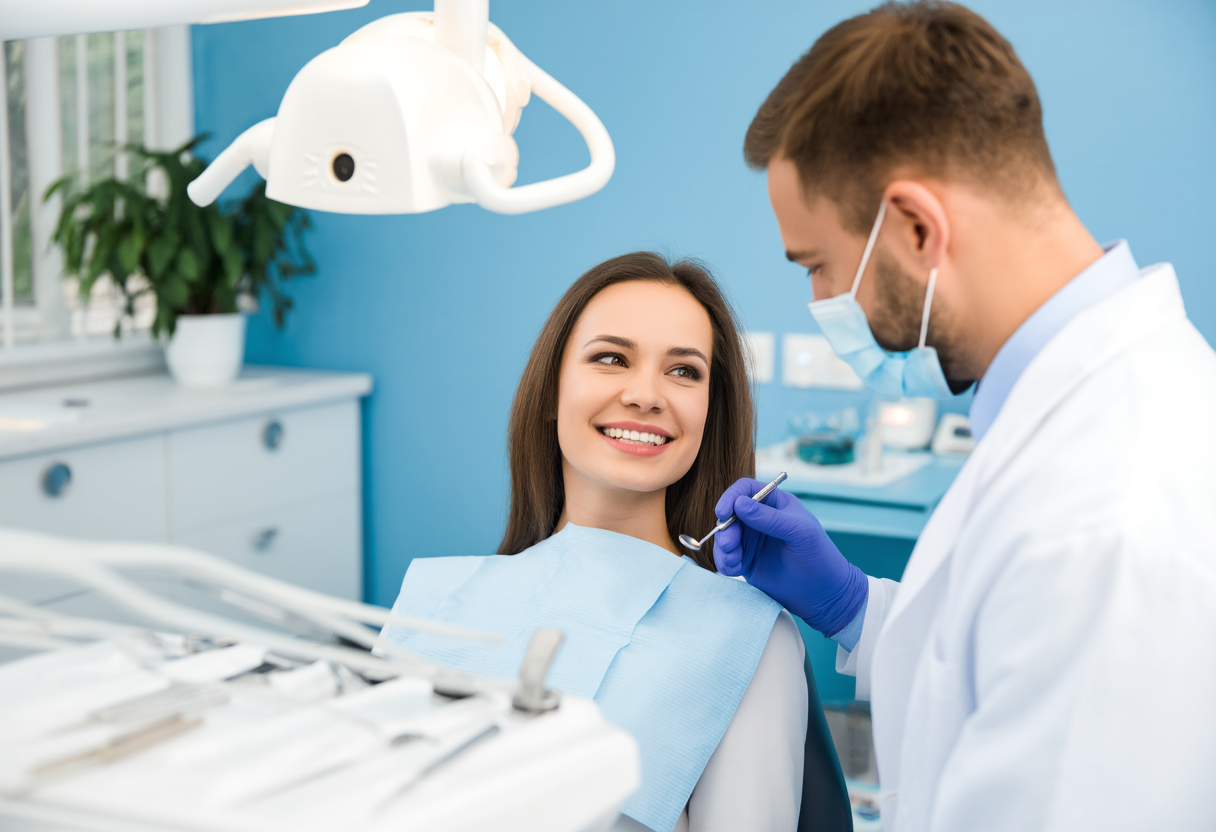
What To Expect During A Professional Dental Cleaning
Welcome to your comprehensive guide on professional dental cleanings—a cornerstone of oral health basics that protects your smile for years. Regular cleanings play a vital role in preventing common issues like cavities, gum disease, and tooth loss by acting as a frontline defense alongside daily brushing and flossing. By understanding this process, you'll feel more prepared and empowered for your next visit, ensuring your oral hygiene remains at its peak for optimal well-being.
Professional cleanings effectively bridge the gaps in at-home care, targeting stubborn plaque and tartar buildup that even diligent brushing can't fully remove. This detailed walkthrough covers every aspect, from pre-appointment preparation to post-cleaning recommendations, demystifying the experience to help you take charge of your oral health basics with informed confidence.
Preparing for Your Dental Cleaning Appointment
Before your visit, proactive preparation ensures a smooth and efficient session. Start by confirming essential details such as your dental insurance coverage and specific clinic requirements, which may include pre-visit forms or health updates. This step helps avoid unexpected delays and promotes a stress-free start to your cleaning.
Additionally, adopt simple habits to streamline the process: brush and floss gently right before arriving to remove surface debris, allowing your hygienist to focus on deeper areas. Use a soft-bristled toothbrush to avoid gum irritation, enhancing effectiveness and making the entire experience more comfortable.
To maximize your appointment, compile a list of oral health concerns for discussion with your dentist or hygienist, such as tooth sensitivity or cosmetic issues. This open dialogue fosters personalized care and turns your visit into an educational opportunity, reinforcing the fundamentals of oral health basics for long-term benefits.
The Step-by-Step Dental Cleaning Process
Step 1: Initial Oral Examination
Your session begins with a thorough examination by a dental hygienist, who meticulously checks for early signs of gum disease, cavities, and oral cancer. Using specialized tools like mirrors and probes, they identify redness, swelling, or unusual lesions—pivotal for catching problems before they escalate and preserving your oral health basics.
X-rays are often incorporated into routine cleanings when necessary, revealing hidden issues beneath the gum line or between teeth that visual checks might miss. Your hygienist documents findings to create a tailored care plan, setting the stage for a focused cleaning that addresses your unique needs.
Step 2: Plaque and Tartar Removal (Scaling)
Scaling targets stubborn plaque and tartar buildup—a sticky film of bacteria that hardens over time and can lead to decay and inflammation if untreated. Professional tools ensure complete removal, safeguarding your teeth as part of essential oral health practices.
Hygienists typically use manual scalers for precision or ultrasonic scalers for efficiency, which emit gentle vibrations to dislodge deposits. For most patients, this step is painless due to modern techniques; if discomfort arises, adjustments minimize sensitivity, allowing a relaxed experience.
Step 3: Teeth Polishing
After scaling, polishing removes surface stains and residual plaque using gritty compounds like pumice or baking soda. This process smooths enamel, creating a barrier that resists future buildup—enhancing aesthetics while strengthening defenses within oral health basics.
The compounds abrade tooth surfaces gently without harming enamel, leaving teeth fresh and brighter. You'll notice a smoother texture that improves daily brushing effectiveness, fortifying your routine against common oral issues like discoloration.
Step 4: Fluoride Treatment
The final step involves a fluoride treatment to strengthen enamel and combat decay by remineralizing teeth. This key protective measure benefits everyone, especially children, seniors, or those with a history of cavities, cementing the core of oral health basics.
Post-treatment, avoid food or drink for at least 30 minutes to allow fluoride absorption. This simple practice caps off your session, ensuring your smile remains resilient and protected against future challenges.
Post-Cleaning Care and Recommendations
After your cleaning, your dentist reviews findings and discusses potential treatments, such as fillings for cavities or deep cleanings for gum disease. They provide personalized tips to elevate your at-home routine, including specific brushing techniques or recommended products like fluoride toothpaste.
Consequently, schedule follow-up appointments every six months—though frequency may vary based on individual needs—to maintain optimal oral health and prevent minor issues from becoming major concerns. This proactive approach solidifies your commitment to lifelong oral health basics.
Common FAQs About Dental Cleanings
- Do professional cleanings damage enamel? No, modern techniques are designed to be gentle and protective, preserving tooth structure with skilled hygienists.
- Are cleanings painful for those with sensitive teeth or gums? Typically not; hygienists adjust methods to minimize discomfort, and desensitizing treatments are available if needed post-cleaning.
- Can I skip cleanings if I brush and floss daily? It's not advisable—professional cleanings address buildup that home care misses, making them essential for comprehensive oral health basics. Appointments typically last 45-60 minutes, offering a high return on investment.
In summary, a professional dental cleaning is a proactive, pain-free experience that significantly boosts your oral hygiene. By staying informed and regular with visits, you'll enjoy a healthier, more confident smile for life, embracing the foundations of oral health basics.